Krista's Herbarium
a collection of herbal remedies, recipes, and reveries
Plantain
Plantago ssp
Medicinal Notes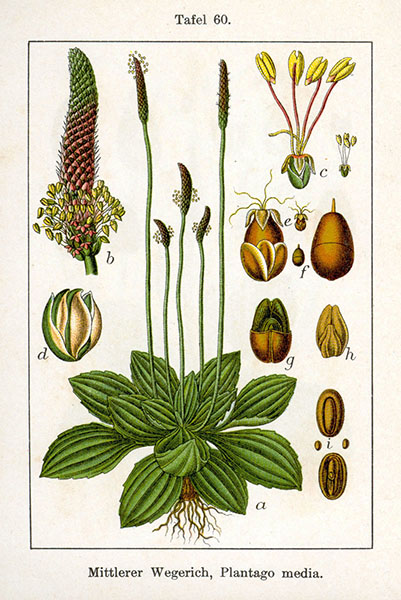
Open from the east, mighty inside.
over you chariots creaked, over you queens rode,
over you brides cried out, over you bulls snorted.
You withstood all of them, you dashed against them.
May you likewise withstand poison and infection”
Plantain can be found in large swaths alongside paths, in meadows and vacant lots. It is considered by some an annoying, if not invasive, weed. As for me and many others, it is a treasure of great value.
Harvesting
Plantain leaves are an edible green, good raw in salads or lightly sauteed. For culinary use, gather leaves in the early spring when they are young and tender. Older leaves are too tough and stringy to be palatable. For medicinal uses, the leaves are best harvested in the spring and early summer, before the flowers reach full bloom. In a pinch, though, plantain leaf can be harvested anytime you find it growing. The seeds are easiest to harvest in late summer or fall, when they have dried and can be easily stripped from the stalk. You can also pick the stalks earlier in the summer, dry them yourself, and then remove the seeds.
Constituents
Plantain contains iridoid glycosides (2.5%), aucubin, apigenin, baicalein, catapol, asperuloside, flavonoids, mucilage (2%), tannins (6.5%), phenolic acids, saponins and flavonoids
Uses
According to Herbrally:
“Scientific Research: In parts of the world where herbal medicine is often prescribed by mainstream doctors, plantain is widely recognized as an effective remedy. In Russia, it is commercially cultivated for medicinal use and frequently prescribed by physicians [5]. The German Commission E has authorized its internal use for coughs and bronchitis, as well as external use for inflammatory skin ailments [14]. Plantain is considered anti-inflammatory in both internal and external uses; tests have shown that this may be due to plantain’s iridoid glycoside content, which seems to suppress prostaglandin formation [3]. One particular iridoid glycoside, aucubin, is easily metabolized into aucubigenin, a compound with potent antibacterial properties [3]. In vitro testing has found plantain leaf to be effective against a range of bacteria, including Salmonella typhi, Salmonella paratyphi, Shigella dysenteriae and Staphylococcus aureus [13].”
Plantain leaf is a go-to herb for just about any kind of rash, irritation, bite, sting, or wound. It soothes, cools, disinfects, staunches bleeding, speeds tissue healing, and extracts toxins and foreign matter. Plantain infused oil and liniment are excellent additions to first-aid kits and travel packs.
“A unique trait that sets plantain leaf apart from most other tissue-healing plants is its intense drawing ability. Plantain can help bring a blister or pimple to a head, pull a stinger out of a bee sting, or extract a deeply-imbedded splinter. It is an unparalleled herb for treating poisonous or infected bites and stings, and, when no other treatment is available, can even be used against blood poisoning. (If you are unsure about your ailment PLEASE seek medical attention!) Plantain would also be one of the first recommendations as an internal and external remedy for those suffering from acne and other inflammatory skin conditions. Irritated, inflammatory skin conditions are energetically hot-natured; a cooling and soothing herb like plantain is often much more appropriate than harsh antibacterials and exfoliants or hyper-concentrated, potentially irritating essential oils.”
I prescribe plantain poultice to my clients suffering from acne. Alongside my Detox Tea, this helps to cool, soothe and remedy the symptoms of acne all while supporting the liver’s work to clean the body’s systems.
“Plantain is an excellent herb for internal tissues as well as external skin. In cases of upper respiratory infection and irritated cough, plantain leaf’s expectorant properties help the body expel mucus, while its anti-inflammatory and vulnerary actions calm irritated tissues. In tonsillitis, gargling with and drinking plantain tea can help fight bacteria and draw out puss. Plantain has a mild diuretic effect, and its aucubin content boosts the kidneys’ uric acid production [8]. These properties, along with its cooling, soothing, antiseptic effects, make it a good ingredient in blends for cystitis and urinary tract infections. Plantain leaf also makes an effective treatment for a wide range of digestive complaints. In Russia, doctors prescribe it for stomach ache, low digestive acidity, and for stomach ulcers with low or normal acidity [5]. Plantain can also combat inflammation and prevent infection in cases of diverticulitis and other inflammatory digestive disorders. The seed of the plant is also used for gut health. Psyllium seed, the primary ingredient in Metamucil, is a form of plantain seed, usually sourced from the Plantago ovata or Plantago psyllium species. While psyllium-containing products are generally marketed as bulk laxatives, many find that the soothing, gel-forming soluble fiber of plantain seed can also calm chronic diarrhea.”
As well as being useful for acute complaints, plantain’s harmlessness (barring contraindication or allergy) makes it an excellent herb for tonic use. Plantain purifies the blood, supports the liver and gallbladder, promotes bladder, urinary tract, and digestive health, and offers an array of easily-absorbed vitamins and minerals. For those with a tendency towards ailments of any of these systems, taking plantain regularly can eliminate or lessen the re-occurrence of acute illness.
“For external use, fresh plantain leaf can be juiced or mashed into a poultice, and fresh or dried leaf can be infused in oil, macerated in rubbing alcohol to create a liniment, or brewed like a strong tea for use as a wash or compress. The fresh leaf works very well as a “spit poultice” made by chewing the fresh leaf and applying it to the affected area. This is a trick that kids often love to try out on their mosquito bites and small scrapes (this also creates opportunity to teach kids the importance of conclusively identifying a plant before using it). Chewing a poultice may seem unhygienic to some, but the enzymes in saliva actually convert the aucubin contained in the plant to the more-potent antimicrobial compound aucubigenin . If the spit-poultice is not for you, though, it will also work perfectly well to mash the leaf with a mortar and pestle.”
Plantain is a vital component of my Detox Tea and Healing Herbal Salve.
Tea: 1.5 quarts of infusion taken throughout the day (infuse 1 heaping T of leaves per cup of water, and steep at least 15 minutes and up to 10 hours).
Salve: Use externally as needed.
Tincture: 1-2 ml of tincture 6 times per day, at 1:4 strength
Chronic Symptoms: acute dosage for several days, then decrease to 1 ml of tincture or 1 cup of infusion, 3 times per day.
Plantain is generally considered a safe, edible plant. However, people who take blood thinners or are prone to excessive blood clotting should avoid plantain. Plantain may effect the absorption of medications through the gut, notably lithium and the heart medicine digoxin. It is safest to avoid plantain while taking these medicines, and to take it several hours away from any other prescription drugs. Plantain may increase the potassium-loss associated with prescription diuretics. Because plantain is sometimes used to slightly elevate stomach acid levels and increase secretion of digestive juices, it is best avoided in cases of serious acid reflux. If you are pregnant or nursing, it is best to consult a qualified practitioner before using plantain. As with any plant or substance, allergic reactions are possible.
Natural Deodorant
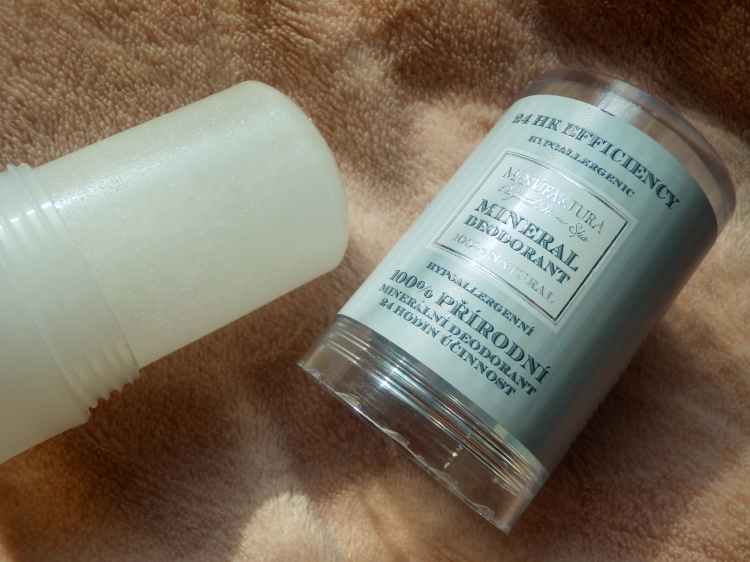
- I’m trying to treat my skin well. Not just because I am getting older, although I am…no stopping that process, but to maintain my health from the inside out and outside in.
- Recently, I have noticed that my typical deodorant bought at the drugstore is just not good for me. It takes forever to wash off, not a good sign, and it has really been bothering my skin causing rashes and itchiness. Although I’ve tried a few well-known brands, it’s as if my body has just said, “Enough!”
- After reading many articles and papers on the subject, I decided it was time to make this small change to a natural deodorant.
- According to PD Darbre, Division of Cell and Molecular Biology, School of Animal and Microbial Sciences, The University of Reading:
“Aluminium salts are used as the active antiperspirant agent in underarm cosmetics, but the effects of widespread, long term and increasing use remain unknown, especially in relation to the breast, which is a local area of application. Clinical studies showing a disproportionately high incidence of breast cancer in the upper outer quadrant of the breast together with reports of genomic instability in outer quadrants of the breast provide supporting evidence for a role for locally applied cosmetic chemicals in the development of breast cancer. Aluminium is known to have a genotoxic profile, capable of causing both DNA alterations and epigenetic effects, and this would be consistent with a potential role in breast cancer if such effects occurred in breast cells. Oestrogen is a well established influence in breast cancer and its action, dependent on intracellular receptors which function as ligand-activated zinc finger transcription factors, suggests one possible point of interference from aluminium. Results reported here demonstrate that aluminium in the form of aluminium chloride or aluminium chlorhydrate can interfere with the function of oestrogen receptors of MCF7 human breast cancer cells both in terms of ligand binding and in terms of oestrogen-regulated reporter gene expression. This adds aluminium to the increasing list of metals capable of interfering with oestrogen action and termed metalloestrogens. Further studies are now needed to identify the molecular basis of this action, the longer term effects of aluminium exposure and whether aluminium can cause aberrations to other signalling pathways in breast cells. Given the wide exposure of the human population to antiperspirants, it will be important to establish dermal absorption in the local area of the breast and whether long term low level absorption could play a role in the increasing incidence of breast cancer.”
- In one of our shops here in CZ, Manufaktura, where they make natural products, I found a mineral stone deodorant. I was doubtful that it would work, but after a few months of testing, I am completely satisfied. It contains only Potassium alum, not the synthetic aluminum and aluminum chloride used in deodorants.
- I tested another deodorant made in a chain store of freshly made cosmetic products. This deodorant, unfortunately, was irritating to my skin.
- I’m continuing with the mineral stick for now. I would love to hear opinions, ideas and comments about this topic of natural deodorants.
Basic Body Wash

Our skin is our body’s largest organ. Imagine that everything rubbed on our skin is actually being ingested by our body. Would you change some of your beauty products if you had to eat them? Obviously, we don’t need to eat soap (unless we had old-fashioned parents who would wash our mouths out if we said a swear), but it would behoove us to take as much care with what goes on our body as with what goes in.
I’ve already shared that I’ve changed my facial care regime and now use oils to wash my face. I’ve written as well about the skin creams that I use and also about makeup remover.
In this vein, I’d like to share with you the natural body wash that we have been using. This recipe has gone through several iterations and here is the current, most improved one:
Basic Body Wash
- 2/3 cup organic 99% pure castile soap
- 2 T + 2 t hemp seed oil (or any other oil you prefer, almond, olive, poppy seed)
- 2 T + 2 t rose, orange blossom or lavender hydrosol
- 2 t vitamin E oil
- 1 T aloe vera gel
- a few drops of essential oil of your choice
Mix well.
Store in a plastic pump bottle.
Shake well before each use.
This can be used as a face wash. I would recommend hemp seed oil (it is non-comodegenic) and lavender, geranium or chamomile essential oils for damaged or dry, mature skin and tea tree, thyme oils for acne-prone skin.
Please don’t get this in your eyes…it stings! Trust me….
Some ideas for essential oil body wash blends: (thanks Loving Essential Oils)
Relax & Unwind
- 3 drops Lavender
- 3 drops Bergamot
Energizer Bunny
- 3 drops Peppermint
- 3 drops Lemon
- 2 drops Orange
Anxiety Free
- 4 drops Lavender
- 2 drops Lemon
- 2 drops Ylang Ylang
Calming The Storm
- 4 drops Lavender
- 3 drops Chamomile
Just Be Happy
- 2 drops Frankincense
- 2 drops Bergamot
- 2 drops Orange
Uplift The Mood
- 3 drops Bergamot
- 2 drops Lavender
- 2 drops Clary Sage
- 1 drop Ylang Ylang
Peaceful Air
- 4 drops Lavender
- 2 drops Vetiver
Blissful Mood
- 4 drops Orange
- 2 drops Lavender
- 1 drop Ylang Ylang
Hippocrates and the Oxymel

Oxymel: A Medicinal Drink
2500 years ago, Hippocrates prescribed oxymels, a mixture of honey and vinegar, to relieve acute symptoms of disease, tonify and support the body during stress or times of illness, to clear the respiratory tract and put the Humours in balance.
Hippocrates text, On Regimen In Acute Diseases (400 BCE), gives wisdom and practical help for those battling disease or trying to maintain health.
“[Oxymel] promotes expectoration and freedom of breathing … It also promotes flatulent discharges from the bowels, and is diuretic, but it occasions watery discharges and those resembling scrapings, from the lower part of the intestine, which is sometimes a bad thing in acute diseases, more especially when the flatulence cannot be passed, but rolls backwards; and otherwise it diminishes the strength and makes the extremities cold.”
I keep a variety of oxymels in my refrigerator at all times. They are exceedingly easy to make, and delicious. I infuse them with different herbs for different purposes. When I am sluggish, with a general feeling of malaise, I will take a spoonful of an oxymel as an uplifting tonic. When I am suffering from a cold or flu, especially one that is taking up residence in my respiratory tract, I take an oxymel several times a day in this acute situation.
According to greekmedicine.com
“A common medicinal preparation that dates back to antiquity is Oxymel, which is basically a mixture of honey and vinegar. It has many uses, and is a part of many traditional medicines.
Although Oxymel is basically just honey and vinegar, there are several different methods, or recipes, for preparing it. The simplest method is just to mix together 4 parts honey with 1 part vinegar. Apple cider vinegar is the kind most commonly used.
A more elaborate recipe is to thoroughly mix together one part of vinegar, one part of water and two parts of honey. Then, simmer this mixture down slowly until only about a third of its original volume remains. While you’re boiling the oxymel down, skim off any scum or froth that rises to the surface.
After it’s prepared, a supply of Oxymel is always kept handy for various uses. Mix a spoonful of it into a glass of water for a refreshing medicinal drink that’s both restorative and energizing and a cooling febrifuge, particularly for agues, or intermittent fevers. Gargle with this drink to soothe and heal a sore throat.
Used full strength or in a less diluted form, Oxymel greatly aids in the expectoration of excess phlegm from the lungs and respiratory tract, opens the airways, and makes breathing easier. Oxymel is also used as a base for medicated expectorant syrups, like Vinegar of Squills. Or, it can be mixed into hot expectorant herb teas to enhance their effects.
Dr. D. C. Jarvis authored a bestselling book in 1958 called Folk Medicine in which he touted honey and apple cider vinegar as a panacea or cure-all. He used this ancient Oxymel preparation to treat arthritis, gout, high cholesterol, as a metabolic stimulant to promote weight loss, and for longevity and life extension. “
Oxymel Recipe
- 2/3 part organic apple cider vinegar
- 1/3 part organic local honey (for a sweeter oxymel use 1:1 ratio)
- fresh herbs of your choice
Chop the fresh herbs as finely as possible.
Fill a jar half way with the herbs.
Cover the herbs with honey.
Add the vinegar and cover with a lid.
Shake the jar daily for two weeks minimum.
Strain out the herbs and store in the refrigerator.
Oxymels will keep for a year, refrigerated.
A few herbs to consider when creating oxymels: (thank you The Nerdy Farm Wife)
- Rosemary: Useful for low energy and poor circulation, good for digestion and nerves. Avoid daily use or medicinal levels if pregnant.
- Sage: antifungal, antibacterial, antiviral. Contraindications: dries up milk flow, not for medicinal use by pregnant or nursing women, do not take for an extended amount of time.
- Thyme: for upper respiratory infections, coughs, bronchitis, antiviral and antibacterial
- Oregano: antibacterial, antiviral, useful for upper respiratory infections
- Bee Balm (Monarda): sore throat, antibacterial, helpful for thick congested coughs, fever
- Mint: stomach soothing, digestive aid
- Rose Petals: astringent, anti-inflammatory
- Elder Flowers: specific for sore throats, immune stimulating
- Raspberry Leaves: general tonic for women
- Lemon Peel: can be added for flavor
Enhance Your Calm Tea
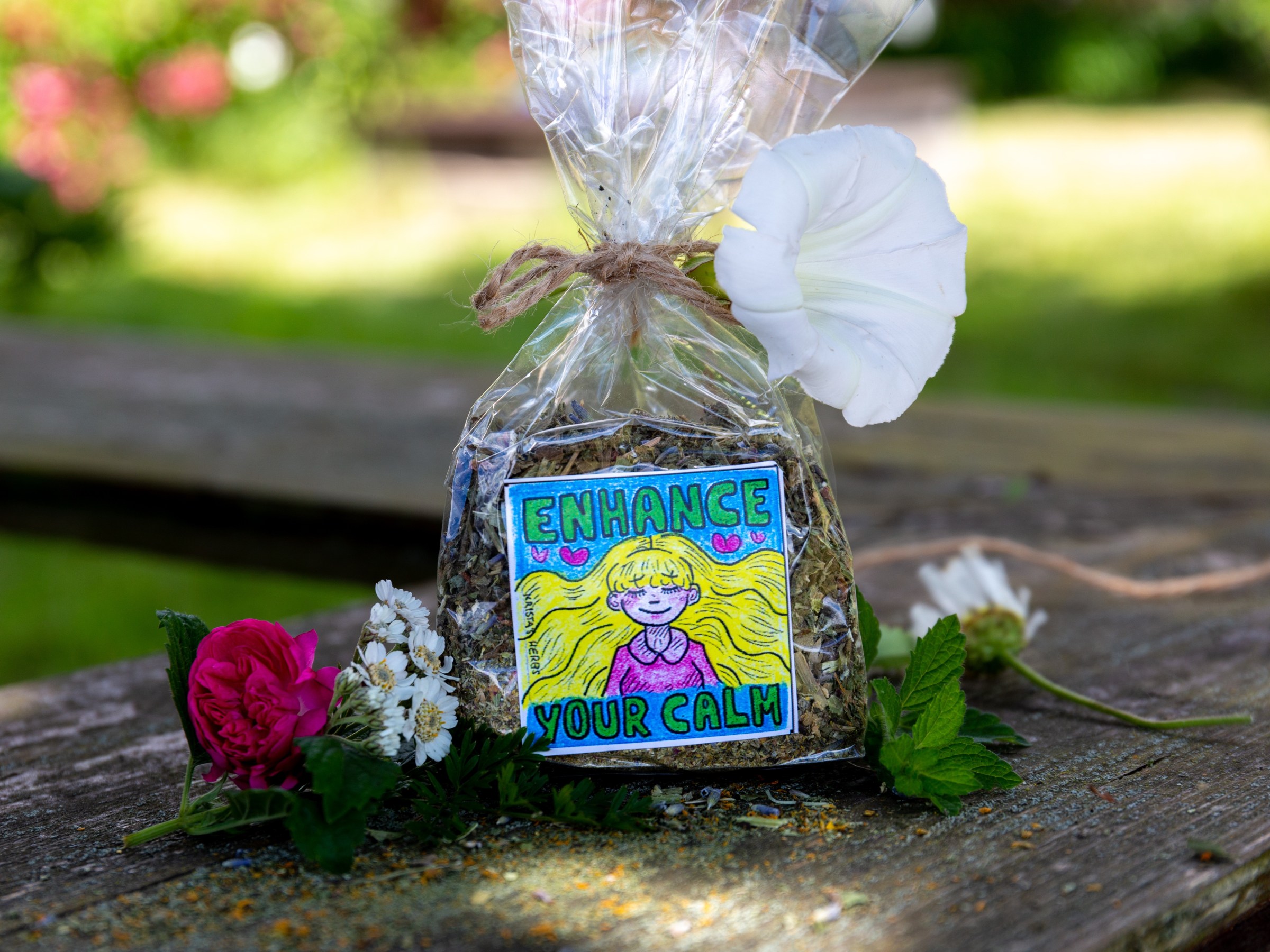
This is my go to tea to remedy a stressful day, help me sleep or improve my mood. It is flavourful and relaxing.
My clients enjoy this one a lot.
Enhance Your Calm Tea
- 2 parts chamomile Matricaria chamomila
- 1 part lavender Lavandule angustifolia
- 1 part linden flower and leaf Tilia cordata
- 1 part skullcap Scutellaria laterifolia
- 1 part rose petals Rosa spp.
Grind the herbs in a mortar and pestle or with a juicer or herb grinder.
Store in a cool, dry, dark place.
1 tablespoon of tea per cup of boiling water, let steep for 5-10 minutes covered.
Dose: 1 cup of tea as needed, up to 3 cups per day

Medicinal Actions:
Chamomile: sedative effect, antispasmodic, muscle relaxant, studies have shown that chamomile works on the same part of your brain and nervous system as anti-stress medication
Lavender: carminative, sedative, bitter, antidepressant, hypnotic
Linden: nervine, anxiolytic (eases anxiety), antispasmodic, hypotensive
Skullcap: nervine, antispasmodic, relaxant, mood stabilser
Rose: nervine with affinity for uplifting mood and relieving depression, antispasmodic, sedative
Chamomile Face Cream
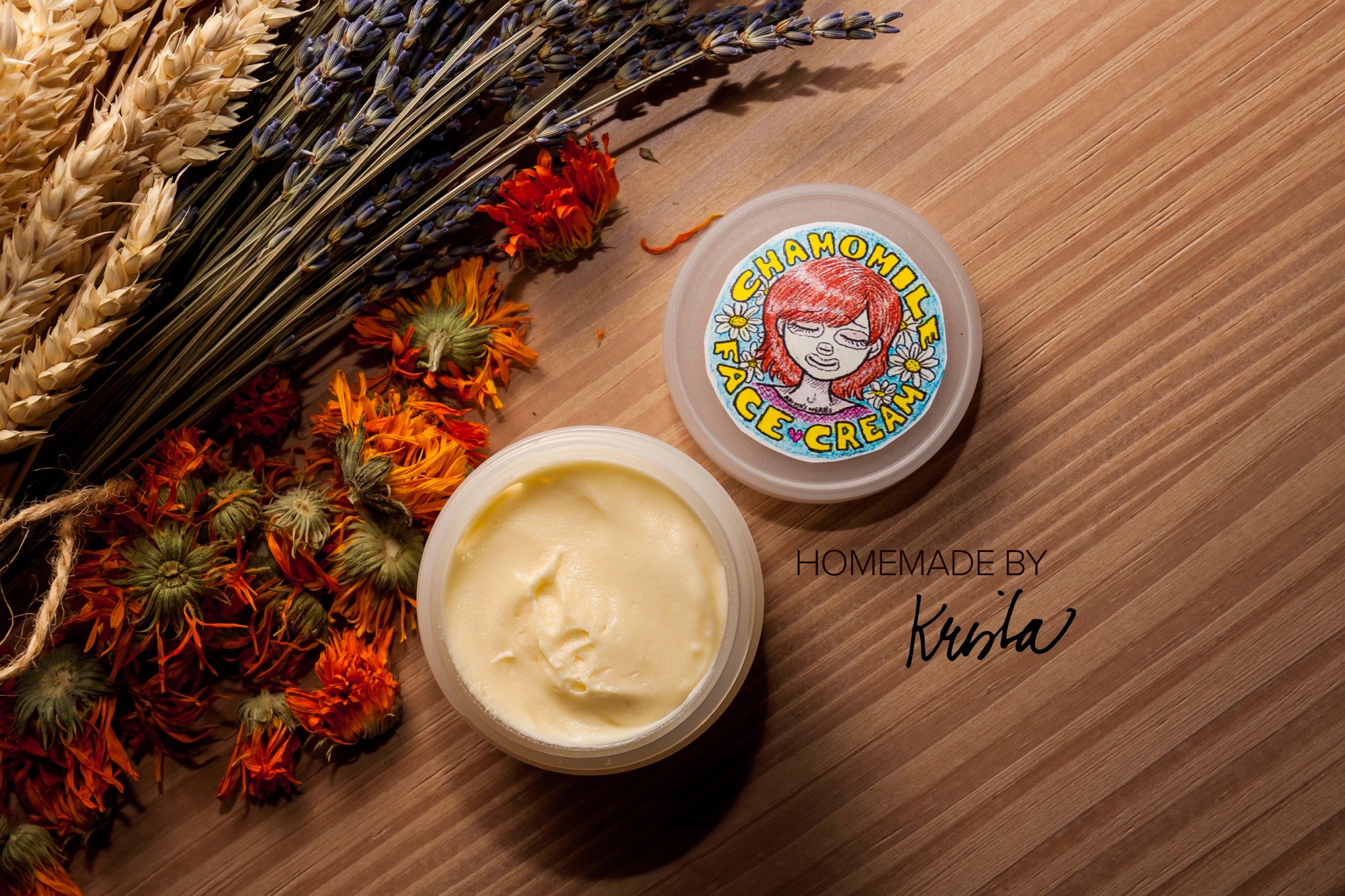
This is an excellent face or body cream adapted from Rosemary Gladstar’s classic cream recipe.
I personally find this face cream to be gentle, hydrating, and soothing. It isn’t greasy or heavy, yet it feels like it is deeply soothing and calming to my skin.
Chamomile Face Cream
- 3/4 cup (180ml) Chamomile-infused sweet almond oil
- 1/4 cup(60ml) Balm of Gilead -infused almond oil
- 1/8 cup (30 ml) Shea butter
- 1/8 cup (30 ml) Coconut oil
- 1/8 cup (30 g) beeswax
- 1/4 cup (60ml) commercially prepared organic aloe vera gel
- 3/4 cup (180 ml) rose, lavender or orange blossom hydrosol
- 10 drops of Vitamin E oil
- A few drops of lavender essential oil
Combine the oils, butter and beeswax in a saucepan over very low heat until everything is melted together
Pour into a measuring cup or container and let cool until the mixture is somewhat firm, thick and creamy
Scrape the oil mixture into a blender.
In a separate bowl. Combine the hydrosol, gel and essential oil
Turn the blender in full speed and slowly drizzle the the water mixture into the vortex created by the blender
Continue blending until all the water mixture has been absorbed by the oil.
The blender should “choke” as the mixture thickens and becomes creamy
After turning off the blender, scoop the cream into small jars.
Store the cream in a cool dark place.
Medicinal Actions:
Chamomile: soothing, vulnerary, affinity for skin disorders such as eczema and psoriasis, anti-inflammatory
Shea butter: moisturising, anti-inflammatory, aids in skin’s natural collagen production
Balm of Gilead: antioxidant, heals scars, clears up eczema and psoriasis, anti-inflammatory
Lavender: antibacterial, soothing, anti-inflammatory
Calendula Face Cream
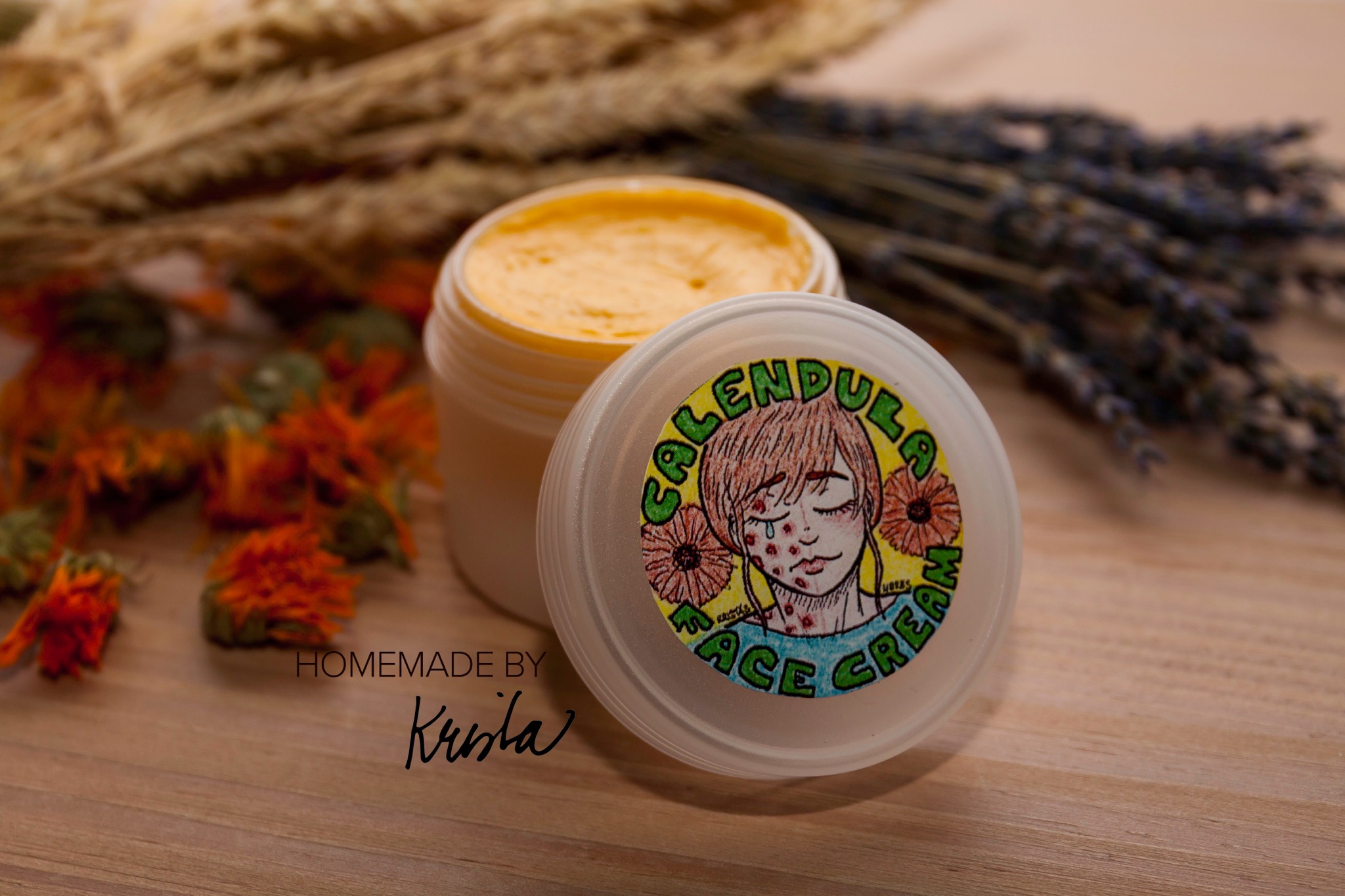
This is an excellent face or body cream adapted from Rosemary Gladstar’s classic cream recipe.
I personally find this face cream to be hydrating, healing and soothing. It isn’t greasy or heavy, yet it feels like it is deeply healing and that it is somehow working, it’s not a lazy bum, this cream.
Calendula Face Cream
- 3/4 cup (180ml) Calendula-infused sweet almond oil
- 1/4 cup (60ml) Balm of Gilead -infused almond oil
- 1/8 cup (30 ml) Shea butter
- 1/8 cup (30 ml) Coconut oil
- 1/8 cup (30 g) beeswax
- 1/4 cup (60ml) commercially prepared organic aloe vera gel
- 3/4 cup (180 ml) rose, lavender or orange blossom hydrosol
- 10 drops of Vitamin E oil
- a few drops of lavender essential oil
Combine the oils, butter and beeswax in a saucepan over very low heat until everything is melted together
Pour into a measuring cup or container and let cool until the mixture is somewhat firm, thick and creamy
Scrape the oil mixture into a blender.
In a separate bowl. Combine the hydrosol, gel and essential oil
Turn the blender on full speed and slowly drizzle the the water mixture into the vortex created by the blender
Continue blending until all the water mixture has been absorbed by the oil.
The blender should “choke” as the mixture thickens and becomes creamy
After turning off the blender, scoop the cream into small jars.
Store the cream in a cool dark place.
Medicinal Actions:
Calendula: vulnerary, anti-inflammatory, antibacterial, skin regenerative, affinity for scar-healing
Shea butter: moisturising, anti-inflammatory, aids in skin’s natural collagen production
Balm of Gilead: antioxidant, heals scars, clears up eczema and psoriasis, anti-inflammatory
Lavender: antibacterial, soothing, anti-inflammatory
Scutellaria baicalensis: help for problem skin
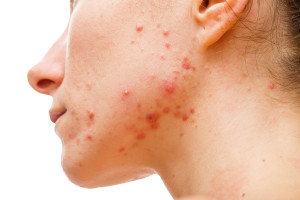
My daughter came home the other day with a new, expensive face cream to help with skin outbreaks. It costs about 20 USD for a 50 ml tub. The active ingredient is Chinese Skullcap Scutellaria baicalensis root powder.
I make my own face washes and face creams that I really like and we all use at my house. I had never thought to put Chinese Skullcap in the creams to treat problem skin.
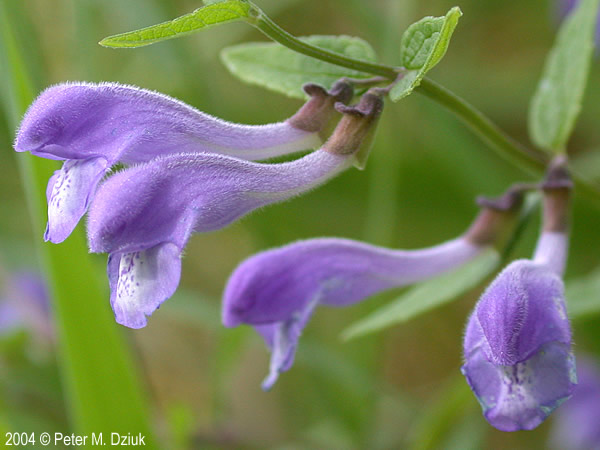
Chinese Skullcap: Internal/Topical
“Scutellaria baicalensis, or “scute,” is considered specific in TCM for clearing “damp heat,” a category of diagnosis in which acne may commonly fall. It is clinically remarkable for reducing inflammation in dermatologic conditions and should be considered an important herb in formulations for treating acne and other skin conditions. It has also shown antimicrobial activity against a broad spectrum of microorganisms. It can be used orally for its systemic anti-inflammatory effects and/or topically in cream or wash form as a local anti-inflammatory.”
David Winston and Angela J. Hywood, in Botanical Medicine for Women’s Health, 2010
Chinese Skullcap (TCM- Huang qin) clears heat and damp, reduces inflammation and is antimicrobial. It is often used to reduce arthritis, dysentery, colds, diarrhea and infections that include fever. It is antioxidant, anti-arthritis and research is being done to determine its anticancer benefits.
I’m intrigued. I will be working on a face cream recipe using this Scutellaria root powder.
Detox Tea: a powerful remedy for the overburdened body
I am telling you this story with my daughter Rebekah’s permission.
Rebekah has suffered from bi-polar disorder and borderline personality disorder for almost eight years. During this time, she has made a few suicide attempts. These have varied in their degree and method, but all have been equally scary for her and for us.
No parent should have to come home from work to their daughter about to drink all of her meds crushed up in a glass of water with the goal to end it all.
Rebekah has overdosed a couple of times.
One of those times she lied about how much she had taken. We stupidly, stupidly, did not take her to the hospital. Thinking the dose she took was not too bad, I gave her my detox tea to clean out her system. It was a miracle that she didn’t die. She took a fatal dose. Though the tea helped her, we should have taken her to the hospital. We should not have trusted her word about how much she had taken.
Herbs are powerful, but there are situations where a hospital or a doctor is the only right decision.
This past October, Rebekah had to go into the psychiatric hospital. This was a desperate attempt to get her the help she needs. It ended up being the right decision and she was able to get on new, more effective meds. During the time she was adjusting to her new meds, she took too many too close together. It was an accident, but that familiar fear reared up. It was not necessary this time to take her into hospital, her psychologist said the dose was not worrisome, but we administered many doses of the detox tea and it supported her liver to clear out the toxins.
Please, please remember to seek medical attention if you are ever unsure.
The Detox Tea is an amazing support for the body’s natural toxin-clearing systems. Supporting over ten systems within the body, it is powerful and should be titrated up according to your body’s reaction. It is drying, so be mindful of your own energetic constitution. Many of my clients use it to boost liver function, clear acne, improve the immune system’s functionality and relieve sluggishness.
Detox Tea: Cold and Dry
ingredients as well as the systems supported are listed
4 T dandelion leaf (kidneys)
3 T dandelion root (liver, gallbladder)
2 T burdock root (blood, liver, gallbladder)
3 T milk thistle seed (liver, gallbladder)
3 T cleavers (lymph, kidneys)
4 T lemon balm (digestive tonic, nervine)
4 T pau d’arco (blood, parasites)
4 T horsetail (kidneys, skin)
5 T red clover (blood)
2 T chickweed (lymph, colon)
2 T angelica root (liver, digestive tonic)
3 T yarrow (liver, gallbladder, blood, general tonic)
5 T nettle leaf (kidneys, blood, general tonic, nutritive)
4 T plaintain (skin, lungs, gastric system, internal healer, antiseptic)
Dose:
1 T of the herbal mix Detox Tea per 1 cup of boiling water
Let steep for 10-15 minutes
Enjoy one cup a day or up to three cups for acute cases
Two simple changes I wish I learned 5 years ago

There is medicine all around us!
I’ve always loved the outdoors. For me, there is nothing better than a warm summer afternoon working in my garden accompanied by the buzzing of the busy bees as they fly from flower to flower. I believe that God gave us plants not only for food and beauty, but also to heal us. I pursued that belief by studying everything I could find about herbalism. I poured through every book I could find, and enrolled in several herbalism courses. Soon the world around me opened up even more. On my daily hikes with my husband, I began to recognize that we were surrounded by a natural pharmacy. I began gathering herbs from the surrounding forests and fields, as well as ones I would grow in my garden, to make natural treatments. I would experiment with different formulas and used myself and my family as test subjects for a variety of salves, tinctures, and teas. Over the years, I have continued to tinker with and perfect both the ingredients I use and how I process them. I now make over seventy different herbal products, for family, friends and clients, and continue to constantly experiment with them.

Good results take time
I have used a dehydrator almost from day one, since with the amount of herbs I gather in the summer would take up too much space in my house and garage to dry. I use an Exclalibur dehydrator like the one in the picture because I needed something that has a lot of space for drying and could run constantly from summer to fall. One day my husband was observing the steps I go through to make salves and tinctures, and had some suggestions. He works for EU Juicers (maybe you’re reading this on their blog), a company specializing in appliances for healthy living like juicers and dehydrators, and he said I could speed up the process and perhaps get better results with some of our appliances. For example, when I make a salve I first gather the herbs, dry them, crush them with a mortar and pestle, infuse them into an oil either by putting a jar in a sunny window for 6-8 weeks or VERY carefully cooking it on the stove for about 30 minutes, then adding melted beeswax and essential oils to the infused herbal oil. It’s a long process, but you can’t cut corners if you want to make effective herbal treatments.

Putting away the mortar and pestle
Grinding herbs with a mortar and pestle takes a lot of time, and tends to leave a very coarse texture. To maximize the medicinal potency of herbs, the most surface area of the plants need to be exposed in the oil. Following my husband’s suggestion, I processed a batch of herbs in our juicer. It is a Sana 707 horizontal juicer, and has this cone that you can use instead of the juicing screen that makes it a grinder. It was fast and the herbs were ground much better than I could do by hand. It was a fine consistency – small enough to have a ton of surface area, but large enough that it wouldn’t dissolve in the oil. I actually make all my teas in this juicer now as well.

A new way to infuse oil
After seeing me pour out a batch of oil I ruined by overheating, my husband asked me about it. I told him that herbal infused oils are very sensitive to temperature. While I still often just let a jar sit in a sunny window, that doesn’t work in the winter, and I often produce so much that time is critical. If you cook it on a stove at too low of a temperature, the medicinal properties aren’t released nearly so well. It you cook it too hot, the oil can burn and destroy the herbs. The “sweet spot” in between the extremes is very small, and depends on the herbs and oils used. He suggested using a dehydrator or our bread machine to infuse the oils, since they are very accurate at keeping a particular temperature. Our dehydrator is always full, so I tried the bread machine. It’s called a Sana Smart Bread Maker, and it lets me set the time and temperature digitally. I put a jar of fresh oil with herbs, and set it for 30 hours at 45C. The next day, I removed the jar and the oil was a rich dark color and smelled amazing. In the photo here (sorry, I used my phone to take it), the new oil is on the left and the one infused in the window is on the right. Notice how it is much darker and richer in color.

The results
I made some arnica oil and salve (arnica is used mainly for bruises but also muscle soreness and acne) this way, and compared it to my previous batch using the mortar and pestle grinding and the window infusing. I was really surprised at the results. The new one using the juicer and bread maker was deeper in color and smelled richer than the “by hand” batch. Color and smell are good indicators of a product’s potency – the darker the better – as long as it isn’t overheated (which will be dark but smell rancid or burnt.) I’ll put a photo here – sorry it isn’t too clear but I just used my phone – hopefully you can see the difference. The oil and salve on the left are the new batch. Better yet, I tried another product – a “white widow” salve made from a high-CBD stain of cannabis – which my daughter uses for her sore wrists using this method. My daughter told me that the new version made her feel even better than the old one.
I now make almost all my products this way – not only are they more potent, but the time saved lets me spend more time gathering or studying. It is especially time saving with teas, since I make everyone two different herbal teas in the morning and another at night so we go through a LOT of tea. Now I have to convince my husband to buy a bigger dehydrator!
Though I am currently working on my Master’s certification and writing my thesis on phytotherapy, I still find that my passion is being in the garden, harvesting in the fields or making up batches of new salves and tinctures; the joy is in finding a way to help someone else feel better.

 Krista's Herbarium