Krista's Herbarium
a collection of herbal remedies, recipes, and reveries
Basic Face Wash

I have been using the oil cleansing method on my face for months now. It has really worked well for me so far. I use hemp seed oil most often as it is really nutritive and non-comedogenic.
My daughters and some of my clients have asked for a simple, organic face cleanser that isn’t drying and is nutritive to the skin. I personally use this when I need that squeaky clean feel. I follow it up with my Calendula Face Cream.
Basic Face Wash
- 2/3 cup organic 99% pure castile soap
- 2 T + 2 t hemp seed oil (or any other oil you prefer, almond, olive, poppy seed)
- 2 T + 2 t rose, orange blossom or lavender hydrosol
- 2 t vitamin E oil
- 1 T aloe vera gel
- a few drops of essential oil of your choice
Mix well.
Store in a plastic pump bottle.
Shake well before each use.
Essential Oil Recommendations
Mature Skin
Lavender: anti-oxidant, antimicrobial, soothing, vulnerary, anti-stress
Geranium: regenerative, anti-inflammatory, useful for scar and wrinkle fading
Chamomile: anti-oxidant
Dry Skin
Patchouli: regulates sebum production, soothing, moisturising
Frankincense: repairs dry skin, balances skin
Acne-prone Skin
Tea tree: unblocks sebaceous glands, disinfects pores
Thyme: anti-bacterial, anti-microbial, astringent
Caution: Avoid contact with eyes. It can sting!
Elderberry Syrup
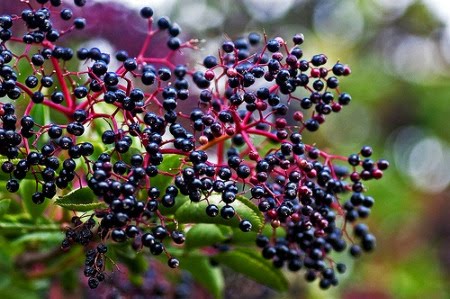
After the joy of picking the lacy elder flowers in late spring, comes the anticipation of juicy purple berries, hung heavy on delicate red stems. Elderberries, combined with spices and honey, make an incredible tonic for fall. Warding away the dryness and cold of winter as well as boosting the immune system while protecting against colds and flu.
We pick tons of elderberries and make what seems like vats of this syrup. We take spoonfuls of it daily to strengthen our systems against the onslaught of viruses. It tastes like Christmas in a bottle and warms the body and the spirit.
Elderberry Syrup
- 1 cup dried or 2 cups fresh Elderberries
- 4 cups water
- 2 T fresh ginger (powdered may be substituted)
- 1/2 T cinnamon (or 2-3 cinnamon sticks)
- 1 t cloves
- 1/2-1 cup honey (according to taste)
- 1 T Vanilla Extract
Decoct 2 parts of fresh (1 part dried) elderberries in 4 parts of water.
Add spices
Simmer over medium heat in a covered pot for 1 hour.
Strain the liquid and compost the berries.
When slightly cooled add the honey and vanilla.
Stir well.
Decant into the syrup bottle and store in the fridge.
Shake well before taking.
Take 1 T as needed
Medicinal Actions:
Elderberries: antioxidant activity, boosts the immune system, affinity for protecting against coughs, colds, flu, bacterial and viral infections and tonsillitis
Ginger: anti-viral, anti-oxidant, has a very useful function during colds, flu, virus infections, coughs, chronic bronchial problems and low-grade infections of all kinds
Cinnamon: anti-bacterial, expectorant, anti-inflammatory, anti-tussive, affinity for respiratory system, warming
Cloves: anti-inflammatory, antiseptic, warming, anti-bacterial, analgesic
Honey: antibacterial, soothing, anti-inflammatory, vulnerary
Acne Eraser Face Cream

Many of my best recipes have been inspired by family, friends and clients.
This one was asked for by my friend. She wanted something that would hydrate and moisturise (see here for the difference between hydration and moisturisation) and that would relieve her acne symptoms.
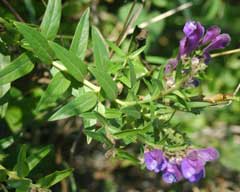 Skullcap (Scutellaria baicalensis) has been shown to reduce acne symptoms as a powerful anti-oxidant, anti-inflammatory and anti-viral/anti-bacterial. It is especially effective against cystic acne. It shows up more and more in professional acne skin-care ranges.
We extract our own hemp seed oil and use this for its linoleic acid content and non-comedegenic benefits. It is nutritive to the skin and has such a lively vibrant colour.
Hazelnut caught my husband’s eye as I was researching for this recipe. It is light and non-greasy, offering antibacterial and astringent properties. It is high in oleic acids and helps balance your skin’s sebum levels, keeping pore-clogging sebum overloads at bay.
Acne Eraser Face Cream
- 1/2 cup (120 ml) Cold-pressed hemp seed oil
- 1/2 cup (60 ml) Baikal Skullcap root-infused hemp seed oil
- 1/8 cup (30 ml) Cold-pressed hazelnut oil
- 1/8 cup (30 ml) Shea butter
- 1/8 cup (30 g) beeswax
- 1/4 cup (60ml) commercially prepared organic aloe vera gel
- 3/4 cup (180 ml) rose, lavender or orange blossom hydrosol
- 10 drops of Vitamin E oil
- A few drops of lavender essential oil
Combine the oils, butter and beeswax in a saucepan over very low heat until everything is melted together
Pour into a measuring cup or container and let cool until the mixture is somewhat firm, thick and creamy
Scrape the oil mixture into a blender.
In a separate bowl. Combine the hydrosol, gel and essential oil
Turn the blender in full speed and slowly drizzle the the water mixture into the vortex created by the blender
Continue blending until all the water mixture has been absorbed by the oil.
The blender should “choke” as the mixture thickens and becomes creamy
After turning off the blender, scoop the cream into small jars.
Store the cream in a cool dark place.
Medicinal Actions:
Hemp seed: soothing, nutritive, high in linoleic acid, affinity for skin disorders such as eczema and psoriasis, anti-inflammatory
Hazelnut: moisturising, anti-inflammatory, high in oleic acid, antibacterial, astringent
Baikal Skullcap: antioxidant, clears up eczema and psoriasis, anti-inflammatory, and anti-viral/anti-bacterial
Lavender: antibacterial, soothing, anti-inflammatory
Menstrual Woes: Part 1
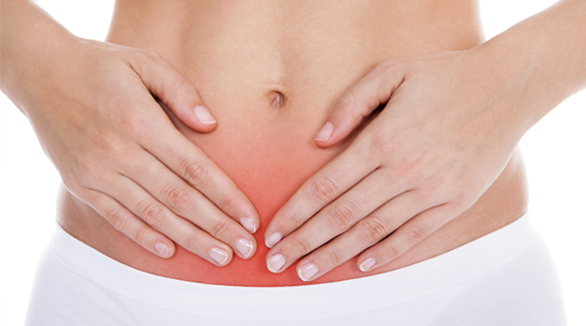
Flooding.
A.K.A. Menorrhagia
It has happened to all of us. We wake up with blood-soaked underwear and our bed looks like a scene from The Godfather. Or, we stand up and then realise we have to change our pants. All women have at least one embarrassing story.
But some of us have this story over and over, to the point where we fear for our health.
Symptoms of Menorrhagia:
- Heavy vaginal bleeding, resulting in the saturation of one or more sanitary pads or tampons every hour for several hours
- Heavy bleeding requiring the use of double sanitary protection
- Having to change pads or tampons in the middle of the night
- Menstrual flow or bleeding lasting more than a week
- Passage of blood clots that are the size of a quarter or larger
- Inability to perform regular daily activities because of the bleeding
- Signs and symptoms of anemia, including tiredness, fatigue, and shortness of breath
- Constant lower abdominal and pelvic pain
Causes of Menorrhagia:
Hormone imbalance.
Dysfunction of the ovaries.
Uterine fibroids.
Polyps.
Intrauterine device (IUD).
Pregnancy complications.
Medications.
Perimenopause.
According to Our Bodies, Ourselves:
“At midlife, women transition from their reproductive years to the natural end of monthly menstrual cycles. This transition — called perimenopause — usually begins in the 40s and ends by the early 50s, although any age from the late 30s to 60 can be normal. It can be difficult to know whether you’ve entered perimenopause, because the hormonal fluctuations begin while menstrual periods are still regular.
Perimenopause can last anywhere from one to 10 years. During this time, the ovaries function erratically and hormonal fluctuations may bring about a range of changes, including hot flashes, night sweats, sleep disturbances, and heavy menstrual bleeding. Other signs of perimenopause can include memory changes, urinary changes, vaginal changes, and shifts in sexual desire and satisfaction.
Some women breeze through the transition. For many others, the hormonal changes create a range of mild discomforts. And for about 20 percent of women, the hormones fluctuate wildly and unpredictably, and spiking and falling estrogen and declining progesterone cause one or more years of nausea, migraines, weight gain, sore breasts, severe night sweats, and/or sleep trouble. For this group, perimenopause can be enormously disruptive both physically and emotionally.”
Prolonged and excessive menstrual bleeding, uterine bleeding and blood in urine, feces or vomit should always be investigated and examined by a professional health care provider.
Holistic Herbal Therapy
1: Restorative- using herbs to restore hormonal balance
2: Symptomatic- relieve chronic symptoms
3: Heroic- intense resolution of acute symptoms
Herbal recommendations:
Restorative: Tonic/hormone regulator-Chaste tree
Nutritive- Dandelion/Yellow dock for iron absorption
Cinnamon brings warmth to the uterus
Symptomatic: Astringent/analgesic-Lady’s mantle
Uterine relaxant- Raspberry leaf, Sage
Nervine- Lemon balm
Heroic: Astringent, styptic- Capsella bursa-pastoris (Shepherd’s purse)
Herbs are as varied an individual as humans, there is really no way to give an herbal therapy protocol that suits everyone. This protocol is a great place to start, then, after listening to what your body is telling you, you can make adjustments.
Herbal Energetics

One of the things that drew me to herbalism is the concept of connection. We are all connected, we are connected to our Creator, to each other and to the creation around us.
When I go to the doctor, I don’t feel connected. I feel like part of a mass-production line that hands out remedies of the same sort to everyone regardless of who they are or how they are constructed. It’s more of a disconnect than anything else. My doctor hardly knows me. The questions he asks pertain only to immediate and acute symptoms and how to resolve them. (Please know that I encourage you to go to the doctor whenever you need to. If you ever are concerned about your health, please see a doctor.)
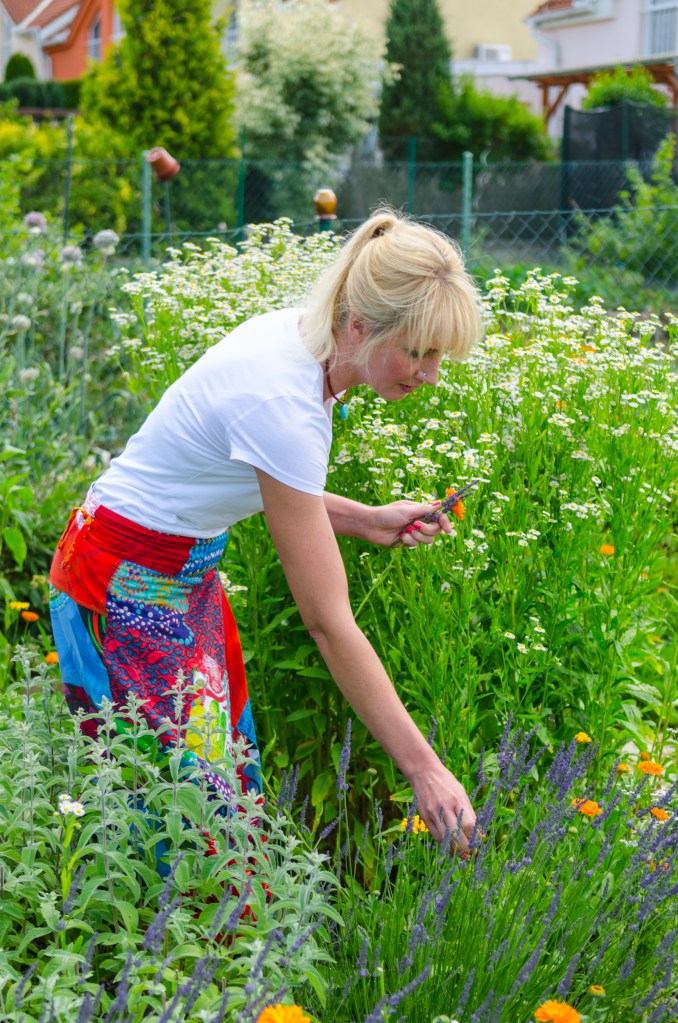
When I am in nature, in my garden or the forest behind my home, I feel connected to who I really am. When I dig in the soil, the crumbling loam slipping between my fingers, I feel the circle closing and I feel more sure of my place in this world. When I have a malady, I plant a seed, I watch it grow and care for it, then harvest it and process it using it as medicine to remedy my ailment and support the systems of my body and this makes me feel connected and empowered.
Seeing clients and consulting with them is a long process. It’s not just about their current acute symptoms, it is about who they are, their past that brings them here and now to this place and set of circumstances. It’s about how they have been created, uniquely and purposefully. A couple of hours and many questions later, I have a picture of who this person is. We have made a connection. Then comes the fun part: connecting them to a plant.
Herbal Matchmaker
Not all plants are the same, just as not all humans are the same. Some plants work well for some people while the same plant will not work for someone else, even though they suffer from the same issue.
How can we match the correct plant to the person?
We all know that ginger helps nausea. And, we know that ginger is spicy and makes us feel warm inside. For someone who is generally cold and in need of warming up, ginger might just be the best thing ever. For someone who is overheated, who is normally the hottest, sweatiest person in the room, ginger might make things worse, so cooling peppermint might be a better choice.
Energetics
According to Rosalee de la Foret:
“Herbalists assess both people and plants in terms of four qualities with the goal of supporting health by nurturing energetic balance. If someone is hot, we will use cooling herbs. If someone has excess dryness, we will use moistening herbs. This might sound strange at first, but once you get it, you’ll see that you’ve long perceived energetics in your life without knowing that’s what it was. Can you think of people in your life who tend to be hotter by nature? Do you know someone who wears a heavy coat, scarf, and hat when others need only a light jacket? Have you ever met someone who has dry skin and needs to constantly slather on lotion and cream? This is due to their different energetics.”
Each one of us can identify our natural constitutional energetics. A few simple questions can guide us, for example:
Do you tend to feel warmer or colder than others?
Does your face tend to be pale or flushed?
Are you an active person or less active?
Do you sweat easily?
Is your skin dry and rough?
Do you have itchy skin?
Do you prefer dry climates?
If we can agree that a cucumber is moist and cooling while a chili pepper is hot and drying then maybe we can see that we each have a unique combination of Hot, Dry, Cold and Damp, plants and humans alike.
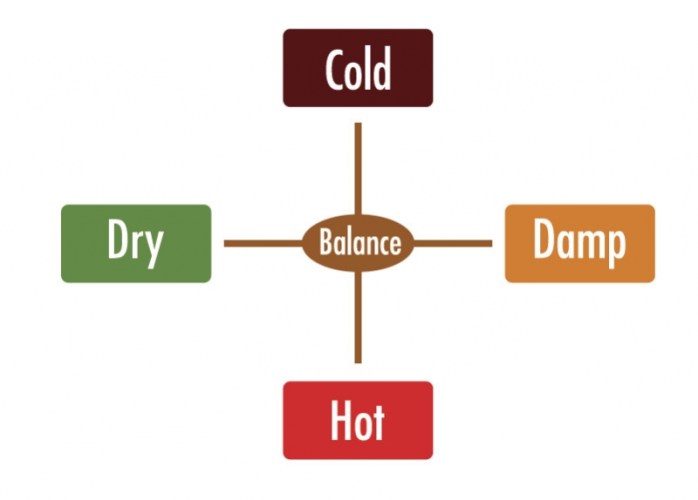
The idea is to bring our body into balance. By using herbs of a complementary or opposite energetic, we can achieve that balance and bring health to our systems.
We will investigate together these plant energetics to help uncover the best plants to use for each of our unique constitutions. To help us feel more connected to ourselves and the plants which have been given to us to help us and heal us.
I really like this chart for some basic herbal energetics.
Sage Anti-Bacterial Salve
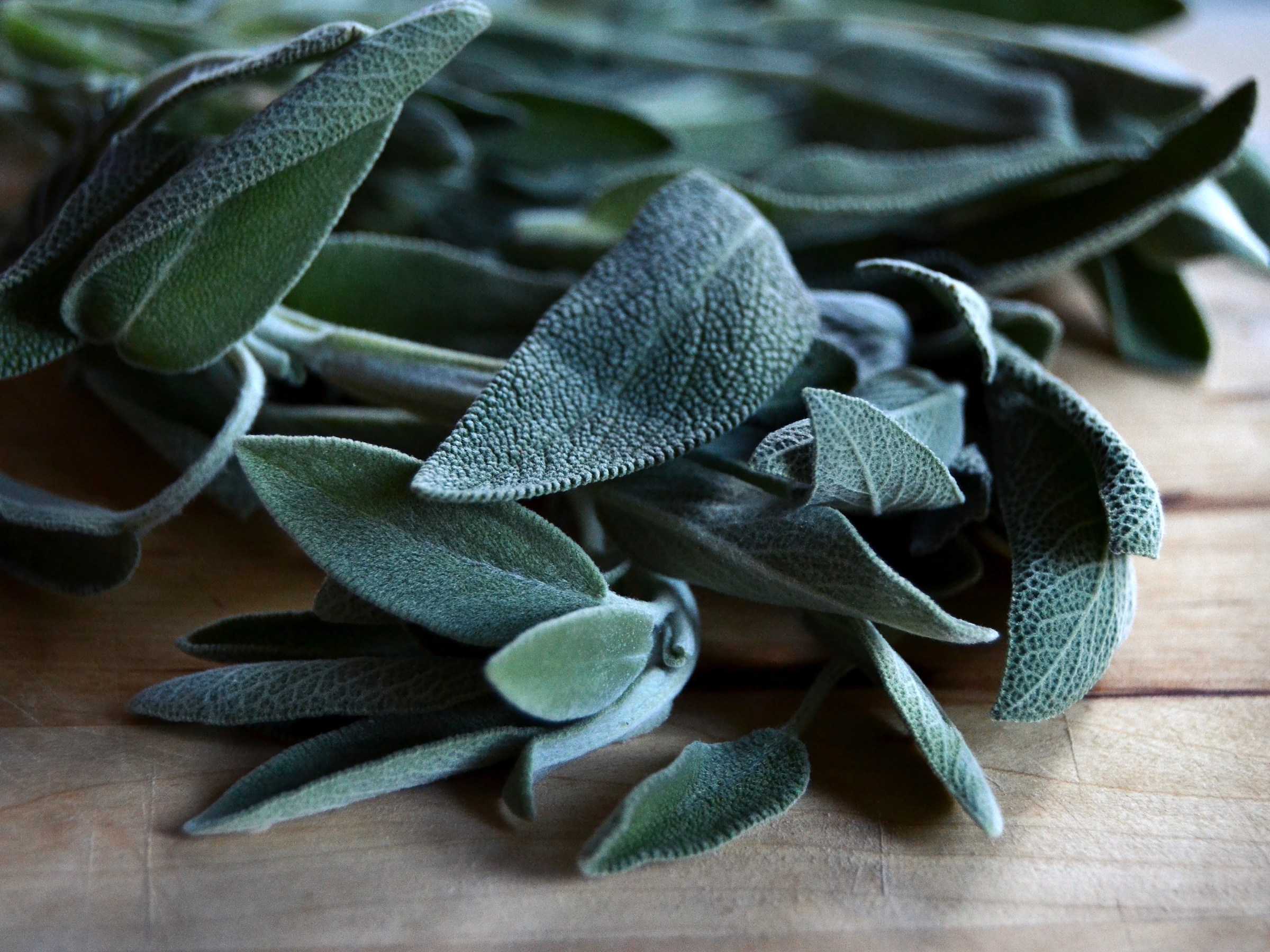
I was a sickly kid. I suffered from asthma and I was always getting bronchitis. Whenever I get sick, the sickness seems to hone in on my respiratory system, where I am weakest.
Depending on my respiratory tissue state, I choose teas, tinctures and poultices carefully. This Sage Salve is excellent for when you have wet, hacking coughs with lots of painful crackling and copious mucous. The added benefit of sage’s antimicrobial action keeps secondary infections, like bronchitis, at bay.
Sage Anti-Bacterial Salve
- 1 cup (240 ml) Sage-infused olive oil Infused Oil Recipe
- 1/4 cup (60 g) beeswax
- 20 drops: Eucalyptus essential oil
In a double boiler (or a pot nestled in a larger pot filled with a bit of water) over medium heat, add the oils and beeswax.
Stir until the beeswax melts and is fully incorporated.
Remove from the heat and allow to cool for a moment.
Add the essential oils. Stir.
Pour into clean and sterilised jars.
Medicinal Actions:
Sage: affinity for sore throats and cough, expectorant, anti-inflammatory, antibacterial, anti-microbial, relaxant, nervine
Eucalyptus: antibacterial, decongestant, affinity for respiratory system, anti-inflammatory
Krista’s Herbs: Loose Leaf Herbal Teas
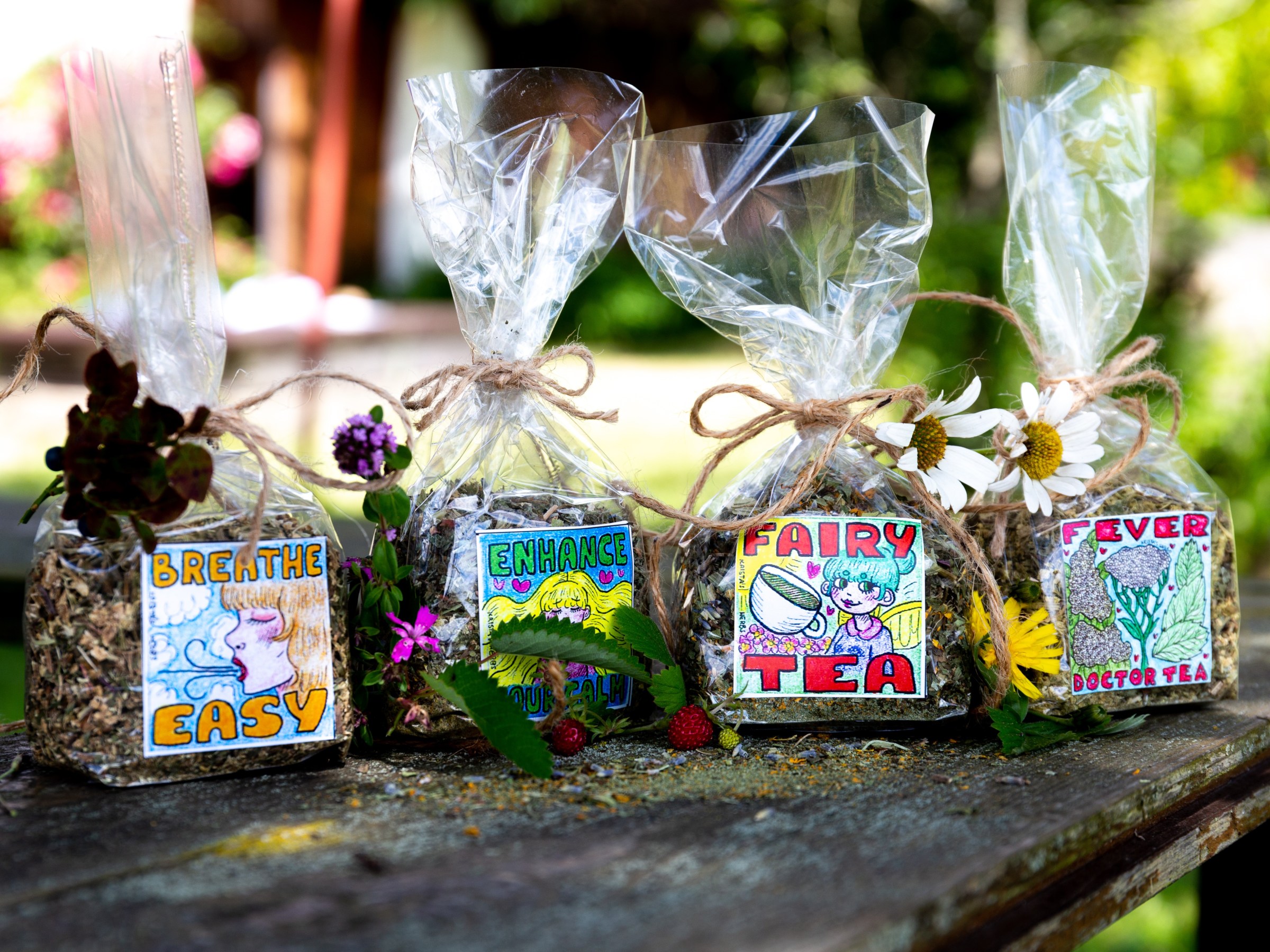
Here is a look at my tea menu:
Calm and Relaxation:
Enhance Your Calm
calms you after a stressful day
chamomile, linden, rose petals, lavender, skullcap
Keep Calm
remedy for anxiety and stress
chamomile, lemon balm, skullcap, catnip, st john’s wort, passionflower, mint
Women’s Health:
Hormone Remedy
balances hormones
skullcap, raspberry leaf, lavender, ashwagandha root
Owie-Kazowie UTI
for acute UTI distress
calendula, marshmallow flower and root, nettles, ashwagandha root
Uterine Bliss
to help menstrual imbalance
lady’s mantle, raspberry leaf, lemon balm
Sleep:
Sleepytime I
helps with insomnia caused by anxiety and circular thinking
chamomile, lavender, passionflower, lemon balm, valerian, mint
Sleepytime II
helps with insomnia caused by early waking
chamomile, lavender, valerian, lemon balm, hops, mint
Heart Health:
Cholesterol Cop
helps to lower cholesterol levels and high-blood pressure
coriander, green tea, tulsi
Heartease
tonic to keep a heart healthy
hawthorn leaf and flower, cinnamon
Digestion:
Happy Tummy
aids digestion
chamomile, lemon balm, catnip
Clear Gut
relieves constipation
yellow dock, dandelion, licorice, ginger, orange peel
Cold and Flu:
Cough Be Gone
clears up a dry, unproductive cough
coltsfoot, plantain, marshmallow flower and root, mullein leaf, slippery elm powder, iceland moss
Breathe Easy
opens constricted airways
yarrow, angelica root, eye bright, mint
Fever Doctor
supports a fever, stimulates immune system, relieves pain
yarrow, elderflower, mint
Burnin’ Up
acute fever reducer
catnip, lemon balm, chamomile
Achoo!!
heavy-duty expectorant, anti-microbial
sage, oregano
Pain Relief:
Headcase
helps with chronic/acute headaches, migraines
catnip, feverfew, mint, lemon balm
My Back Hurts!
relieves muscle pain and spasms
chamomile, sage, peppermint, nettles
Allergies:
Allergy Relief
a great help during hayfever season
lemon balm, nettles, yarrow, ashwagandha
Breathe Easy
opens constricted airways
yarrow, angelica root, eyebright, mint
Wellness:
Fairy Tea
all-around great, healthy tea
plantain, lavender, calendula, lemon balm
Detox Tea
for that full body “spring cleaning”
dandelion leaf/root, burdock root, milkthistle seed, cleavers, lemon balm, pau d’arco, horsetail, red clover, chickweed, angelica root, yarrow, nettles, plantain
Other:
Eyesore
good for eye irritations and infections
eyebright, plantain, chamomile
Soothing Skin
sooth irritated skin from the inside-out
milkthistle, plantain, licorice, calendula, marshmallow root/flower
Cough Be Gone Tea
During this recent flu, I had a dry, hacking, painful cough that left me with a sore back, abdomen and chest. The only thing that eased my suffering during this cough was my Cough Be Gone Tea.
I make this up in big batches, because when you need it, you need it NOW and OFTEN.
Cough Be Gone Tea
- 1 part coltsfoot Tussilago farfara
- 1 part plantain Plantago major
- 1 part marshmallow flower Althaea officinalis
- 1 part marshmallow root Althaea officinalis
- 1 part mullein leaf Verbascum
- 1 part slippery elm powder Ulmus rubra
- 1/2 part iceland moss Cetraria islandica
Grind the herbs in a mortar and pestle or with a juicer or herb grinder.
Store in a cool, dry, dark place.
1 tablespoon of tea per cup of boiling water, let steep for 5-10 minutes covered.
Dose: 1 cup of tea as needed
Medicinal Actions:
Coltsfoot: Demulcent, expectorant and tonic. One of the most popular of cough remedies.
Plantain: antibacterial, anti-inflammatory, antiseptic, antitussive, demulcent, diuretic, expectorant. Medical evidence exists to confirm uses as an alternative medicine for asthma, emphysema, bronchitis
Marshmallow: antitussive, mucilaginous, and antibacterial; helps reduce dry coughing and prevent further irritation
Mullein: demulcent, emollient and astringent properties, relieves the irritation of the respiratory mucus membranes
Slippery elm: Demulcent, emollient, expectorant, diuretic, nutritive; the abundant mucilage it contains having wonderfully strengthening and healing qualities
Iceland moss: Demulcent, tonic, and nutritive when deprived of its bitter principle. Excellent in chronic pulmonary troubles, catarrh
Respiratory Tissue States

The flu is pretty bad here in the Czech Republic. I guess it’s a bad flu everywhere this year.
My husband and I finally succumbed this week.
I haven’t been this sick in years.
It started with fatigue, The next day came aches and a fever (38.7+ or 101.6+). Then a bad cough that leaves you sore. Then the typical cold symptoms, stuffy head etc…
I don’t normally take days off for sickness. Every year, I am only sick one or two days tops. This one will see me at home for 4 days. Probably going back to work before I should. My husband is in bed with a fever as I type this. (Update: My oldest daughter just fell to it, in bed just now with a fever.)
The fever we support with our Fever Doctor Tea . This helps the fever to do its job while relieving pain as well as having anti-viral actions.
Soreness I relieve with cayenne pepper salve.
But, when the virus invades the respiratory tract, what can we do?
It all depends on the tissue states.
Plants have their own energetics: hot, dry, cool and moist. You notice this organically when you eat a cool and refreshing cucumber on a hot summer day or reach for warm and spicy ginger tea in the winter. According to your current energetics, herbs of complementary energetics should be used thus bringing the systems into homeostasis, balance.
Respiratory Tissue States
Hot/Dry Tissue State
Respiratory tract: red and parched
Throat/sinuses: inflamed and tight
Breathing/swallowing: difficult
Eyes: may be red
Sweating: little to none
Cough: dry and unproductive
Mucus: sticky, yellow or brown
Pain: possible in lungs or throat
Cravings: cold drinks
Choose: Cool and moist herbs in tea and steams
Violet, marshmallow, plantain and mullein
For my dry cough I used the Stings and Bites Salve as a chest poultice and my super moistening Cough Be Gone Tea.
Hot/Moist Tissue State
Tongue: inflamed, may have yellow/orange coat
Throat/tonsils: inflamed and red
Sinuses: may be runny or yellow
Fever: may be present, sweating
Cough: wet cough
Mucus: excessive, clear or yellow
Choose: Cool and dry herbs
Usnea, horehound, eucalyptus, mint, red clover
For my wet cough I use the Red Clover Tincture as an anti-tussive and the Clear Chest Salve as a chest poultice and Fever Doctor Tea.
Cold/Dry Tissue State
Mouth/tongue: pale and dry
Breathing: wheezing
Swallowing: difficult
Expectorating: difficult
Mucus: clear and white, if present
Pain: dull in chest/throat possible
Cravings: hot liquids
Other: may feel cold/chills
Choose: Warm and moist herbs in hot tea and steams
Licorice, elecampane, cinnamon, fenugreek, fennel and elderberry
For my dry and cold state I use Elderberry Syrup as a tonic and Calendula Salve as a chest poultice.
Cold/Moist Tissue State
Tongue: pale, wet, frothy, moist
Cough: productive, wet
Mucus: white
Pain: dull in chest
Cravings: heat
Other: cold/chills
Choose: Warm and dry herbs
Ginger, thyme, sage, rosemary, hyssop and bee balm
For my wet cough I use Thyme Cough Syrup and Sage Salve as a chest poultice and Ginger Tea with Hyssop.
An Herbalist’s Toolbox: the dehydrator
I was given the opportunity to test out this dehydrator for a couple of months. It might just be my favourite now.
At 7:20 you will see me describing how to use this dehydrator to make potent herbal oil infusions.

 Krista's Herbarium