Krista's Herbarium
a collection of herbal remedies, recipes, and reveries
Pyramid of Healing

Topical salves or ointments are some of the best herbal remedies in my herbal arsenal.
They are easy to use, non-invasive and really healing, powerful and effective. The comforting aspect of a balm or salve aids in the healing process and is a great introductory herbal remedy for the more skeptical client (or family member).
Every Herbal First Aid Kit should have at least a few salves. Pictured are some of my most highly recommended:
Healing Herbal Salve: All-around superstar healing salve for any wound. (St John’s Wort, calendula, comfrey, plantain)
Fungi Foe Salve: Great anti-fungal and antibacterial salve gentle enough for all your intimate bits. (Oregano, calendula)
Knit Together Salve: Excellent healer for internal injuries such as sprains, broken bones and muscle tears. (comfrey)
Bye Bye Bruise Salve: Perfect to heal and possibly prevent bruising. This one is amazing to watch work! The sooner you get it on the bump, the more effective it is. (arnica)
Calendula Salve: An excellent skin healer, wound healer, scar repairer and overall comforting, healing salve. (calendula)
Clear Chest Salve: A powerhouse for helping to clear up respiratory distress and infection. A must have for cold and flu season. (white horehound, thyme, sage)
Thyme Salve: Particularly useful when dealing with infection of any kind. (thyme)
Photo credit: Zeinep Yessenbekova
Beauty Tip: Under Eye Dark Circles
A friend of mine asked me to help her with an herbal remedy for her under eye dark circles.
This was a new request and I was excited to dig into some research in order to help my friend.
I read up on ways to help with dark circles and almost all of my resources had similar thoughts on the subject.
According to the Mayo Clinic:
“Fatigue is the most common cause of dark circles under your eyes. Sometimes, what appear to be dark circles under your eyes may merely be shadows cast by puffy eyelids or hollows under your eyes that develop as a normal part of aging.
Some of the most common causes of true under-eye circles are:
- Allergies
- Atopic dermatitis (eczema)
- Contact dermatitis
- Fatigue
- Hay fever (allergic rhinitis)
- Heredity
- Pigmentation irregularities, which can be a particular concern for people of African or Asian ancestry
- Rubbing or scratching your eyes
- Sun exposure, which prompts your body to produce more melanin, the pigment that gives skin its color
- Thinning skin and loss of fat and collagen that comes with aging, which can make the reddish-blue blood vessels under your eyes more obvious”
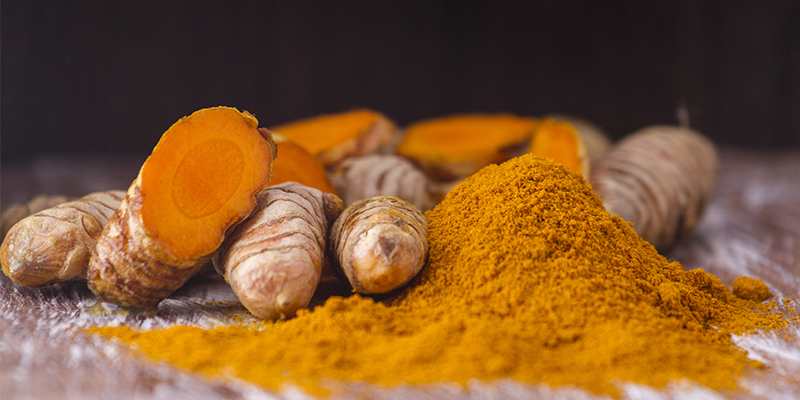
She is up for some trial and error, so we began with a turmeric and almond oil paste. She applies it at night and leaves it on for 30 minutes before washing it off. In the morning, there are still traces of the unique turmeric yellow stain, but this easily vanishes during her shower.
My friend has seen marked improvement with this method after two weeks.
What was amazing, is that nothing fancy is needed:
Under Eye Eraser
- Turmeric powder
- Cold-pressed Almond oil
Slowly add almond oil to turmeric powder until you achieve a thick paste consistency.
Store sealed in the fridge.
Apply to a thick coat to the skin under the eyes.
Leave for at least a half an hour.
Be careful to spot test a place on your skin. Fair-skinned people may experience staining of the skin.
Safety Note: Dr. Mark Jacquot, clinical director at LensCrafters, recently explained that ‘the skin around your eyes is particularly sensitive and can be prone to allergic reactions, irritation, or other injuries’. So please test the area first before continuing.
Medicinal Actions
Turmeric: anti-inflammatory, anti-oxidant, skin protectant, increases circulation,
Almond oil: high in vitamin A, anti-oxidant, easily absorbed into the skin, aids in regenerating skin cells and decreasing inflammation.
Herbal How To: Making an Herbal Salve


Herbal How To: Making an Herbal Salve
Fungi Foe (anti-fungal salve)
You will need: oregano and calendula oils; beeswax; tea tree, lavender and red thyme essential oils; jars
1. Strain and measure out the oils
2. Heat oils in a double boiler
3. Add the beeswax
4. Stir until completely melted
5. Take off the heat and add the essential oils
6. Pour into containers
7. Label and allow to cool
This is a great remedy for any fungal or yeast infections, gentle enough for all your intimate bits
Lovely Liver Herbal Extract

Spring is upon us and with it comes spring cleaning (I washed my windows yesterday-goodbye little kitty paw prints!), getting the garden ready for spring planting and sorting out all of our clogged systems within the body after the winter’s cold and gray days.
With the sunny and warmer days of spring, we are opened up and stimulated to move and clear out the accumulated rubbish, in the garden, in our closets and in ourselves.
Part of a spring detox is healthy, lighter fare in our diet; more fresh fruits and veggies. We take our Detox Tea and this Lovely Liver Herbal Extract. The herbs within, especially burdock root, stimulate the liver to function to its fullest, cleansing the body of accumulated toxins.
According to The Practical Herbalist:
“Ancient herbalists, like Hildegard of Bingen in the 12th century, recognized burdock’s power in helping their patients recover from illness. Then, like today, burdock helped with the break-down of toxins and metabolic waste, making it easier for our bodies to eliminate that which we no longer need. Conditions ranging from cancers and hypertension to gout, digestive ulcers, and reproductive problems, burdock has offered support and help in recovery through the ages.”
I have prescribed this tincture for more intense ailments, from eczema to rheumatoid arthritis to severe acne. When our immune system is struggling, when we are fatigued, when we have eruptions or flareups of chronic issues, a good place to start is with liver support. When things build up (even stress), the liver needs help to do its job excellently.
Lovely Liver Herbal Extract
- 2 parts Burdock root (dried or fresh) (80% alcohol)
- 2 parts Dandelion root (dried or fresh) (80% alcohol)
- 1 part Milk Thistle seed (80% alcohol)
- 2 parts Chicory root (dried or fresh) (80% alcohol)
- 1 part Yellow Dock root (dried or fresh) (80% alcohol)
- Alcohol (at least 42% for leaves, flowers and stems, brandy, vodka; 80% for roots and barks, Everclear)
- Sterilised jar and lid
Grind or chop the plant material as finely as possible. I use my juicer to grind the dried plant material and my grain mill to grind the dried roots.
Add the plant material to the jar: Dried- fill 1/2 of jar
Fresh- fill the entire jar
Add the alcohol. Fill to the brim. Keep an eye on it for the next several minutes and keep adding alcohol until all the plant material is covered.
Seal well and label with the plant name, date, percent and type of alcohol and the date 6 weeks out.
Shake the jar daily and store in a cool, dark place.
After 6 weeks, strain out plant material and decant the tincture into sterilised bottles for use.
Label bottles with the tincture name.
Adult dose: 3-5ml 2x day as part of a liver detox
Medicinal actions:
Burdock root (Arctium lappa): antibacterial, anti-inflammation, anti-tumor, anti-fungal, antimutagenic, antioxidant, antipyretic, diuretic, diaphoretic, hypoglycemic
Dandelion root (Taraxacum): diuretic, liver tonic, digestive tonic, antirheumatic, mild laxative, promotes bile flow
Milk thistle seed (Silybum marianum): cholagogic, tonic, galactogogue, alterative
Chicory root (Cichorium intybus): tonic, laxative and diuretic, promotes bile flow
Yellow dock root (Rumex crispus: laxative, alternative, mildly tonic
An Herbalist’s Toolbox: a good knife
I made it home to America (specifically, New Mexico) for Christmas with my family. It had been eleven years since we had celebrated Christmas together. My daughters and I came prepared with Christmas gifts in tow, ready to wrap and put under the tree.
We hadn’t seen our family in six years. A lot changes in that amount of time and it wasn’t easy picking out gifts. Luckily, some of my family had given me a list of items they would enjoy. I am not one to make a list for gifts (if you’re reading this, mum, a lot has changed since I was ten). My sister told me that she had absolutely no idea what to get for me. But when I opened her gifts to me, each one was better than the last. She rocked it!
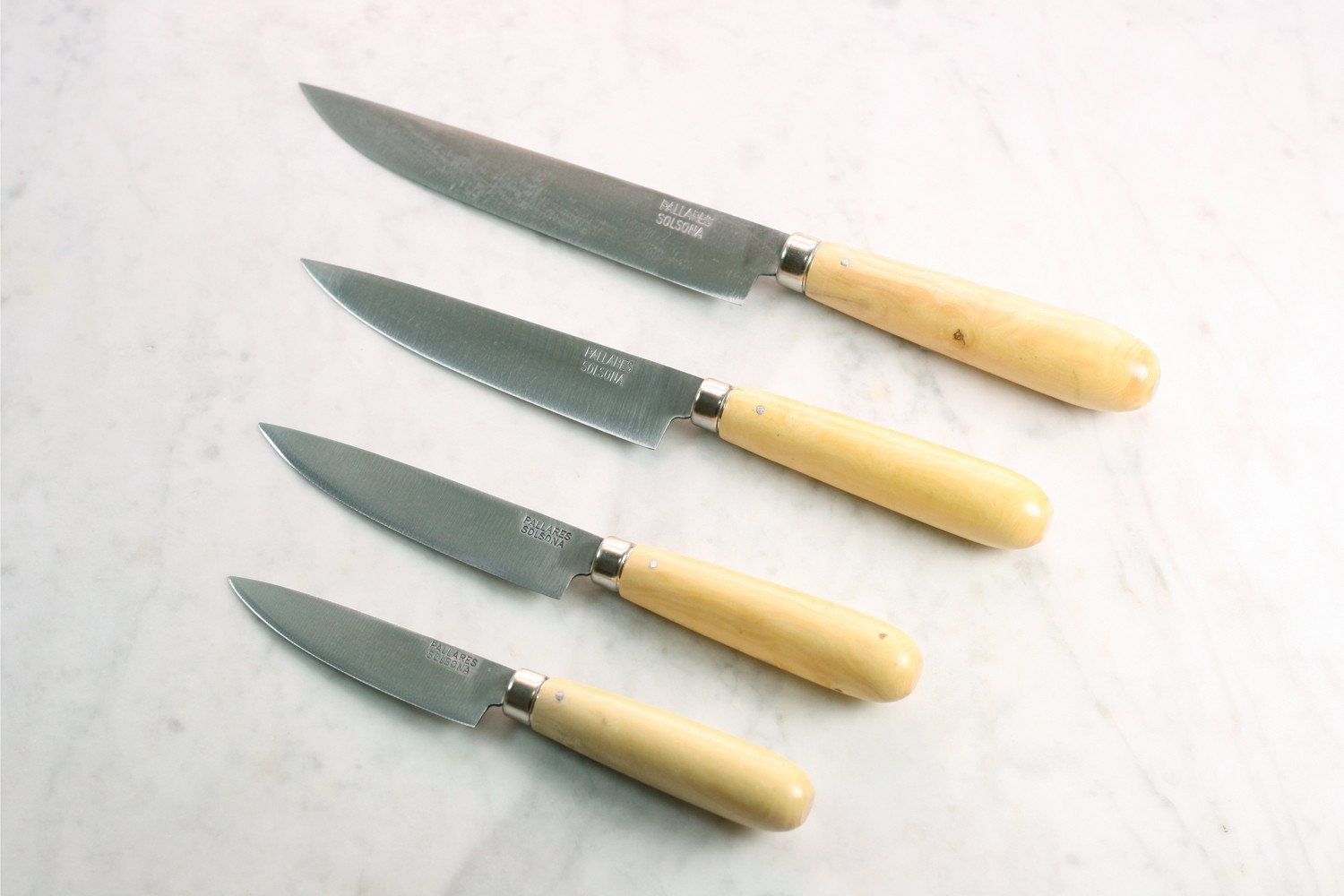
One of the gifts she gave me was this beautiful knife. Every herbalist needs a good knife…one that can cut up roots. This baby does the trick really well. It is beautiful and strong and feels good in the hand even after a basket full of burdock root.
A special thanks to my sister, Misha, for being such a generous and creative gift giver and adding to my Herbalist’s Toolbox.
From the Flotsam and Fork website:
“These carbon steel and boxwood kitchen knives are made by hand in a workshop in Solsona, Spain, near Barcelona, where the Pallarès family has been making knives and blades since 1917.
The carbon steel blade is lightweight, and will hold it’s edge longer than a typical stainless-steel blade. It will develop a lovely patina with use.
Care: Keep the blade dry to prevent rust from forming on the blade. Wipe with a soft cloth after hand washing.”
Herbal How To: Chamomile-Infused Almond Oil
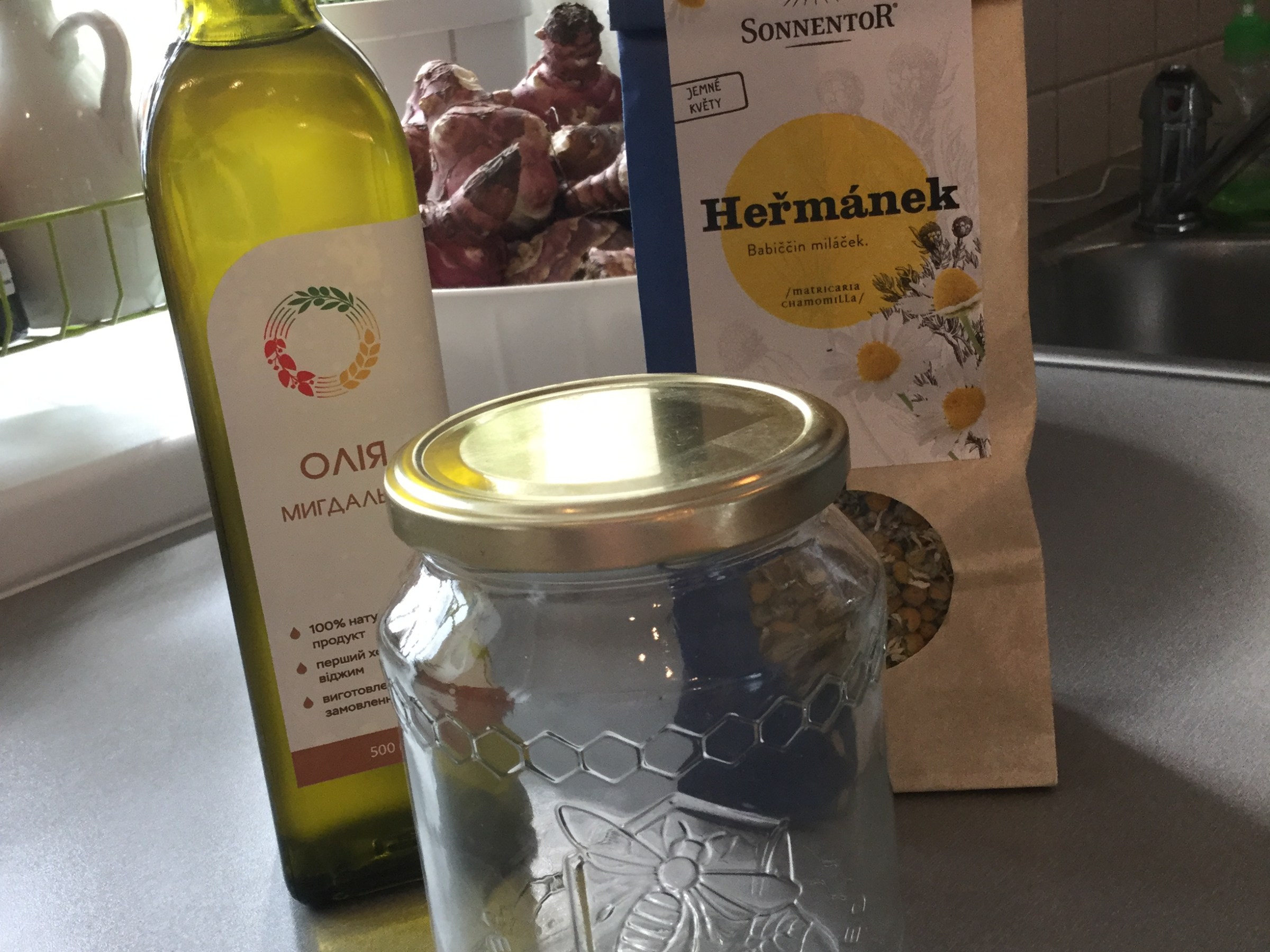


How to make Chamomile Infused Almond Oil:
1. You need chamomile flowers, a jar and some freshly pressed almond oil (this oil comes from my friend Alex in Ukraine)
2. Grind the flowers up (I used my juicer)
3. Fill the jar up halfway with plant material
4. Add the almond oil, filling the jar
5. Shake it
6. Label it
7. Let sit on a sunny windowsill for 6 weeks, shake it often
I use this oil in my Chamomile Face Cream.
Immune Harmony Herbal Extract
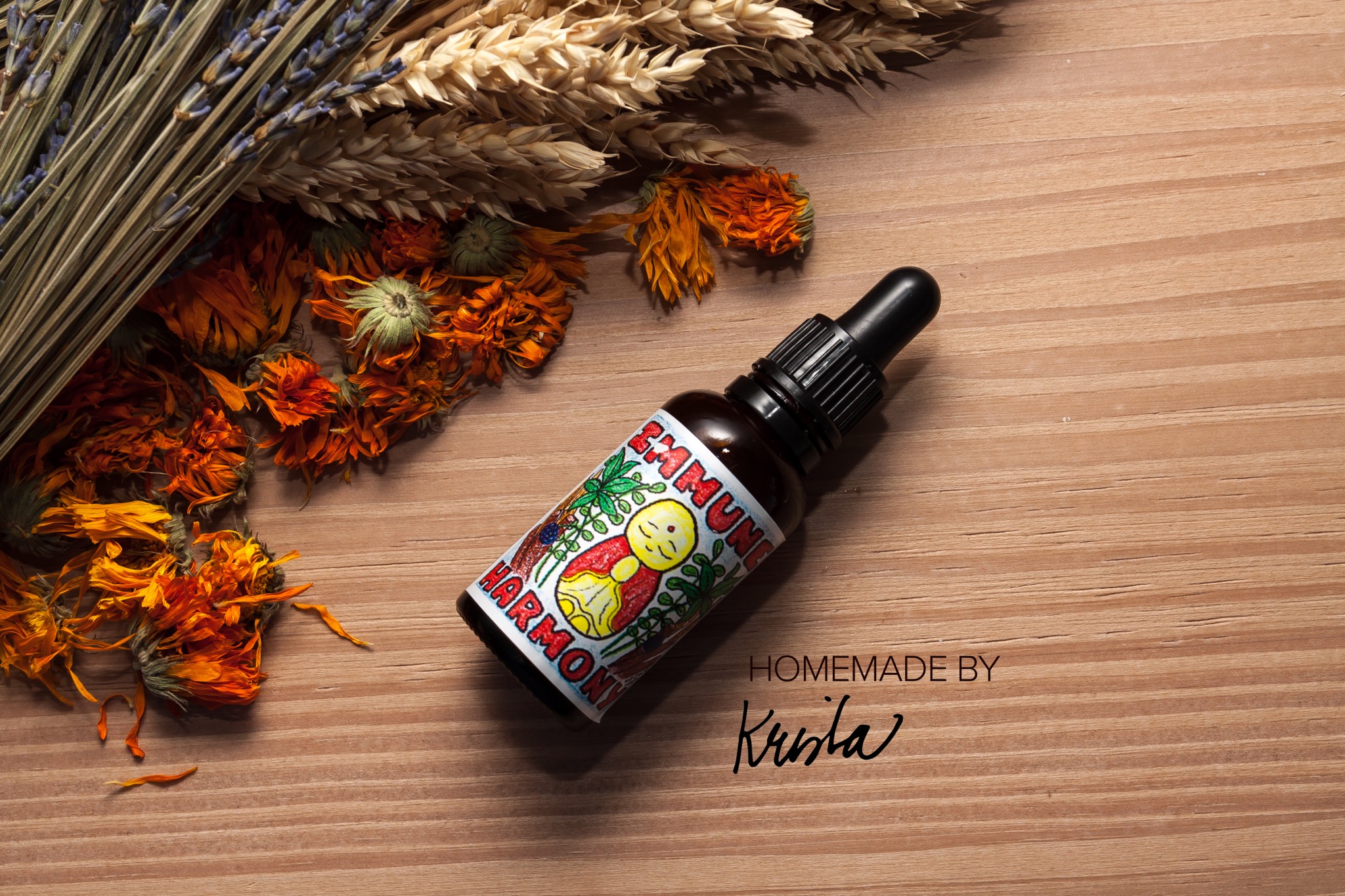
An overactive or underactive immune system creates problems within the body. An overactive immune system can present with allergies, acne, eczema and even arthritis. An underactive immune system can cause illnesses and infections; chronic and acute.
The goal of any herbal warrior is to find balance. Using adaptogens and immunomodulators and immunostimulants, we can hope to achieve harmony and balance.
According to the Naturopathic Herbalist:
“Adaptogen: Herbs in this group work through some hormonal modulation of the immune response. The field of Psychoneuroimmunology describes the numerous endocrine functions that can be effected by stress, our mental/emotional health, and it is largely at this levels the herbs demonstrate their actions. For example, adaptogens exert their effects through saponins (steroidal & triperpendoi) via the adrenal glands which is foundational component of healthy immune status. Herbal examples include:
Immunomodulator: Immune modulation denotes any effect a herb will have on immune system responsiveness. For example, these herbs may stimulate T-supressor cells (thereby reduce immune resistance), and stimulate macrophages and natural killer cells. Others will enhance the production of antibodies within acting as antigens themselves. Immunomodulators have potential contributions to the treatment of malignancies as they play a central role in supporting those cells involved in our immunological defenses.
Immunostimulant: Immune stimulants lead to a non-specific stimulation of our immunological defences. They generally do not effect our immune memory cells, and because their pharmacological effects fade relatively quickly, they must be administered at regular intervals or continuously. These herbs are more akin to conventional drug therapies for infections, and are valuable options when wanting to boost the body’s innate immune mechanisms in immunocompromised patients and in autoimmune disease.”
Immune Harmony Herbal Extract
- 1 part Eleuthero root (dried or fresh) (80% alcohol)
- 1 part Astragalus root (dried or fresh) (80% alcohol)
- 1 part Licorice root (dried or fresh) (80% alcohol)
- 1 part Ashwagandha root (dried or fresh) (80% alcohol)
- Alcohol (at least 42% for leaves, flowers and stems, brandy, vodka; 80% for roots and barks, Everclear)
- Sterilised jar and lid
Grind or chop the plant material as finely as possible. I use my juicer to grind the dried plant material and my grain mill to grind the dried roots.
Add the plant material to the jar: Dried- fill 1/2 of jar
Fresh- fill the entire jar
Add the alcohol. Fill to the brim. Keep an eye on it for the next several minutes and keep adding alcohol until all the plant material is covered.
Seal well and label with the plant name, date, percent and type of alcohol and the date 6 weeks out.
Shake the jar daily and store in a cool, dark place.
After 6 weeks, strain out plant material and decant the tincture into sterilised bottles for use.
Label bottles with the tincture name.
Adult dose: 3ml 3x day as a preventative, or 5 ml 3-5x day during the onset of a cold or flu.
Medicinal actions:
Eleuthero (Eleutherococcus senticosus): adaptogen, antioxidant, immunostimulant, anti-inflammatory, rejuvenative
Astragalus (Astragalus membranaceous): immune enhancing, adaptogen, tonic, adrenal tonic, hypotensive, cardiotonic, antiviral, antibacterial.
Licorice (Glycyrrhiza glabra): adaptogen, tonic, adrenal tonic, antiallergenic
Ashwagandha (Withania somnifera): adaptogen, tonic, immunomodulator
Adaptogens:
- Eleutherococcus senticosus (Siberian ginseng)
- Panax ginseng (Chinese/Korean Ginseng)
- Glycyrrhiza glabra (Licorice)
Immunomodulators:
- Astragalus membranaceus (Astragalus)
- Codonopsis tangshen (Codonopsis)
- Ganoderma lucidum (Reishi mushroom)
- Lentinus edodes (Shitake mushroom)
- Trametes versicolor (Turkey tail)
- Ligustrum lucidum (Privet)
- Schisandra chinensis (Schizandra)
Immunostimulants:
- Allium sativum (Garlic)
- Baptisia tinctoria (Wild Indigo)
- Echinacea sp. (Echinacea)
- Thuja occidentalis (Thuja)
- Usnea sp. (Old Man’s Beard)
Herbal Energetics: Damp

If we can agree that a cucumber is moist and cooling while a chili pepper is hot and drying then we can see that we each have a unique combination of Hot, Dry, Cold and Damp, plants and humans alike.
Imagine a sponge. When dry, it is stiff and not easily bent. Passively, as it takes in water, it becomes pliable, resilient, able to be coerced into a different position. It can withstand a good, solid wringing because it has the support of the moisture within it, strengthening its fibers.
One cannot make a sand castle from mere sand. Moisture is required to hold its form, to keep it in place. Herbal remedies with a moistening quality help to increase flexibility and mobility of the body. They are often used when there is stiffness, tension, tightness or constriction due to a lack of fluids thus allowing there to be pliancy.
Again, my 5th and 6th graders were learning last term about solutions. In order to make a solution, you need a solute (some solid substance) and a solvent (some liquid) in which to dissolve the solute. These combine to make a solution. Water (or another solvents) is required to dissolve and assimilate the solvent. Applying this to our bodies, if we start out in a dehydrated or dry tissue state, our tissues do not have the moisture required to absorb nutrients. This dehydration of the tissues also stymies the natural flow of toxins out of the body as well. Dry tissues leads to stagnation. This stagnation can be a result of a lack of water or oils. Oils are of particular importance for the endocrine system as many of our hormones are soluble in fat or oils and thus, require them for transportation through the body.
To quote Matthew Wood again:
“[Damp in the first degree] causes substances to move through internal passages. Second degree moistens and lubricates surfaces. Third degree reduces hardness. Fourth degree nourishes the flesh.”
According to Materia Medica Monthly:
“We can see here that agents which are moistening help to lubricate and moisten the passageways of the body so nutrients and toxins can be moved through more effectively. We also see that from an excess of dryness there can be a hardening of the tissues which is softened by a moist remedy (this is the true definition of an emollient remedy- softening hardness). When dryness gets to a critical state, tissues can become malnourished and atrophic, thus they can help to directly nourish the flesh and rebuild a weakened and deficient tissue, organ or system. Moistening remedies are contraindicated anytime there are signs of dampness accumulated within the system. This could be nausea, edema, swellings, damp cough, damp/lax urinary tract infections, or other general damp signs like a swollen damp coated tongue.“
Most plants with moistening qualities are demulcents, an action which moistens dryness. Other herbs with a moistening quality move fluid through tissues and out, thus moistening tissues as they expel fluid from the body. Not all moistening herbs are slimy, but most have a recognisable sweetness or meatiness and often are oily.
Partial list of herbs with moistening qualities and their primary organ affinities:
Herb Primary Organ System
Aloe (Aloe vera) digestive
American Ginseng (Panax quinqefolius) systemic
Astragalus (Astragalus membranaceous) respiratory
Burdock (Arctium lappa) lymphatics, skin (oils)
Chickweed (Stellaria media) systemic
Cinnamon (Cinnamomum spp.) digestive
Cleavers (Gallium aparine) urinary tract
Comfrey (Symphytum officinale) mucosal membranes
Dragonroot (Smilacina racemosa) joints
Fenugreek (Trigonella foenum-graecum) digestive
Goji berries (Lycium barbarum) systemic
Irish Moss (Chondrus crispus) respiratory
Licorice (Glycyrrhiza glabra) respiratory
Marshmallow (Althea officinalis) mucosal membranes
Milky Oats seed (Avena sativa) nerves
Mullein (Verbascum thapsus) respiratory, joints
Plantain (Plantago major) mucosal membranes
Pleurisy root (Asclepias tuberosa) respiratory, joints
Red Clover (Trifolium pratense) respiratory, lymphatics
Shatavari (Asparagus racemosus) mucosal membranes, systemic
Slippery Elm (Ulmus rubra) mucosal membranes
Solomon’s Seal (Polygonatum spp.) joints
Sweet Cicely (Osmorrhiza occidentalis) respiratory
When to use Moistening Herbs:
1. Joint pain; stiffness
2. Tension, stress
3. Muscle pain
4. Gastrointestinal disorders; constipation
5. Mental illness, anxiety, depression
6. Dry skin, hair
7. Lethargy; tiredness; lack of motivation
8. Anemia
Of course, your natural energetic state as well as your acute energetic state should be taken into consideration when choosing herbs of a moistening nature. Adding damp to a person exhibiting accumulated dampness would exacerbate the problem.
During cold and flu season, your respiratory tissue state will help you to identify the right herb to use as a remedy.
Herbal Energetics: Cold
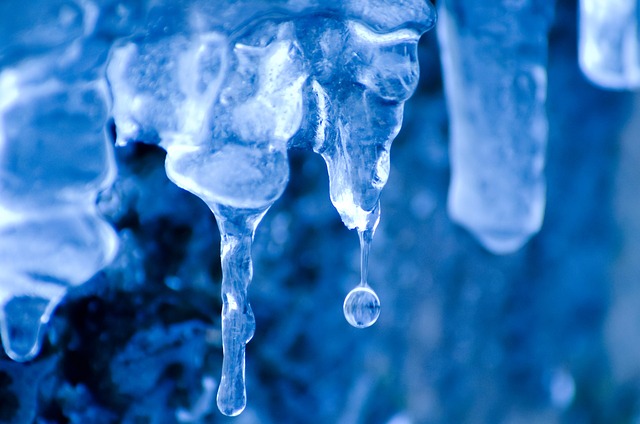
If we can agree that a cucumber is moist and cooling while a chili pepper is hot and drying then we can see that we each have a unique combination of Hot, Dry, Cold and Damp, plants and humans alike.
Remember back to primary school and learning about molecules and the states of matter? We learnt that with heat comes energy and invigorated molecules separating from each other. The addition of cold rendered molecules in stasis, effectively changing a liquid into a solid.
Cold brings slowness, closure, a withdrawing and coming to a stop. Imagine a hot summer day, the insects flying around, sweaty people fanning themselves, the noise of children playing and laughing and the sound of airplanes coming from a clear blue sky. Contrast that with a deep dark winter’s day; not a soul to be seen; the snow-covered world insulated from sound; closed up houses, seemingly in permanent stasis; peace and tranquility.
When we are cold, we hold ourselves more tightly, we wrap ourselves up, we cuddle in close to a loved one. We wear socks. We curl up on the couch. When molecules are contained and submitted to cold, that is exactly what they do; they couple more tightly together and become less active.
Herbs that are cold in nature are used to decrease excessive activity in our tissues, to slow down degenerative processes in our body, thicken up fluids in the body, close up pores and slow down bodily processes, in general.
To quote Matthew Wood again on the 4 degrees of cold:
“[Cold in the first degree] lessens
heat from exposure to the sun. Salad greens are considered cold in the first degree. Second degree thickens fluids and reduces internal heat. Third degree restrains the outward flow of fluids and matters. Fourth degree prevents “vapors” from rising upwards. Vapors are analogous to “rebellious qi” in traditional Chinese medicine. They are energy that is rising upward against the flow of nature. They include excessive coughing, vomiting, and menstrual cramps. Dizziness, fainting, swooning, hysteria, and PMS can be caused by vapors. Agents cold in the fourth degree stupefy the senses to ease violent pain and reduce mania, nervousness, restlessness, and insomnia.”
Plants that are cold in the 4th degree depress and shut down systems in a dramatic, maybe life-threatening way. I am imagining Opium.
Whereas a heating remedy can be thought of as a stimulant, a cooling remedy is a depressant. Taken to remedy heat or over-stimulation: often marked by redness, inflammation, tenderness or pain, cooling herbs serve to depress or suppress functionality in one or more vital systems of the body.
Plants that are cooling are marked by distinct tastes and sensations. Cooling bitters are easy to identify as they are taken to reduce gastrointestinal heat, cause a cooling sensation throughout the body (often accompanied by a shiver) and cause bowel elimination.
Partial list of herbs with cooling qualities:
Blue Flag (Iris versicolor)
Blue Vervain (Verbena hastata)
Boneset (Eupatorium perfoliatum)
Chamomile (Matricaria recutita)
Cleavers (Galium aparine)
Dandelion (Taraxacum officinale)
Echinacea (Echinacea purpurea)
Gentian (Gentiana lutea)
Goldenseal (Hydrastis canadensis)
Hawthorn (Crataegus spp.)
Lemon Balm (Melissa officinalis)
Motherwort (Leonurus cardiaca)
Nettle (Urtica dioica)
Oregon Grape (Mahonia aquifolium)
Red Clover (Trifolium pratense)
Red Raspberry (Rubus ideaeus)
Red Root (Ceanothus americanus)
Rose (Rosa spp.)
Skullcap (Scutellaria lateriflora)
Wild Cherry (Prunus serotina)
Wild Lettuce (Lactuca virosa)
Willow (Salix alba)
Yarrow (Achillea millefolium)
Hops (Humulus lupulus)
When to use Cooling Herbs:
1. Digestive issues; heartburn; IBS
2. Fevers/infection
3. High blood pressure
4. Inflammation/pain
5. Mood swings/anxiety
6. Urinary dysfunction/infection
7. Stressful situations
Of course, your natural energetic state as well as your acute energetic state should be taken into consideration when choosing herbs of a cooling nature. Adding cold to an chilled person would exacerbate the problem.
During cold and flu season, your respiratory tissue state will help you to identify the right herb to use as a remedy.
Cold First Aid Herbal Extract
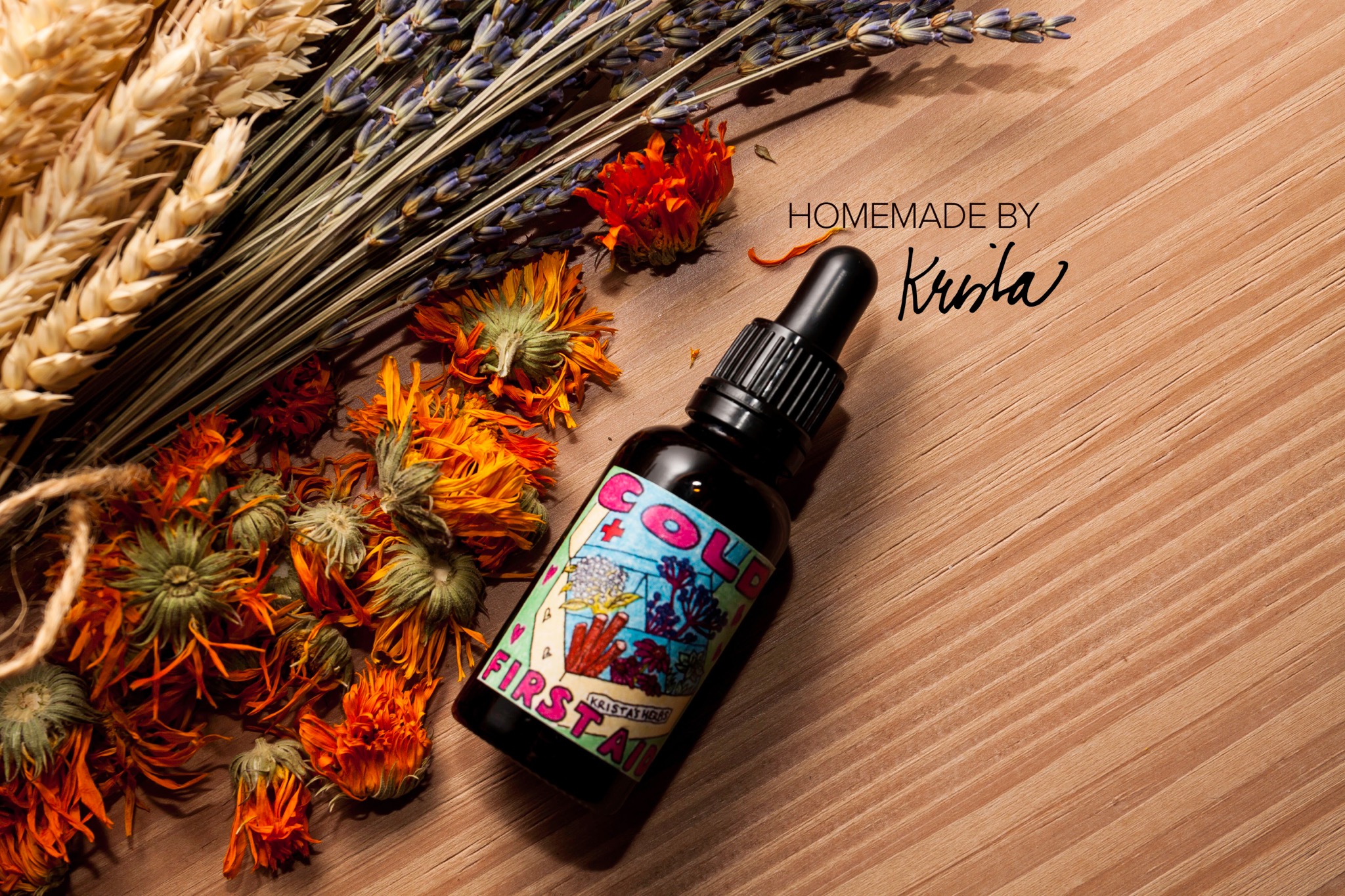
During cold and flu season, it’s important to be prepared. This season, my whole family got the flu. It has been years since we have had the flu, and all of us at the same time, that has never happened. Thanks to preparedness and our Herbal First Aid Kit, we didn’t have to go to the doctor or even the pharmacy.
At the first sign of cold or flu, we take Elderberry Syrup, Fever Doctor Tea and this Cold First Aid tincture. This tincture boosts the immune system while relieving symptoms of a cold or flu. It also tastes pretty good, an added bonus!
Cold First Aid Herbal Extract
- 2 parts Elderberries (dried or fresh) (42% alcohol)
- 2 parts Elderflower (dried or fresh) (42% alcohol)
- 1 part Oregano (dried or fresh) (42% alcohol)
- 2 parts Echinacea root (dried or fresh) (80% alcohol)
- 1 part Licorice root (dried or fresh) (80% alcohol)
- Alcohol (at least 42% for leaves, flowers and stems, brandy, vodka; 80% for roots and barks, Everclear)
- Sterilised jar and lid
Grind or chop the plant material as finely as possible. I use my juicer to grind the dried plant material and my grain mill to grind the dried roots.
Add the plant material to the jar: Dried- fill 1/2 of jar
Fresh- fill the entire jar
Add the alcohol. Fill to the brim. Keep an eye on it for the next several minutes and keep adding alcohol until all the plant material is covered.
Seal well and label with the plant name, date, percent and type of alcohol and the date 6 weeks out.
Shake the jar daily and store in a cool, dark place.
After 6 weeks, strain out plant material and decant the tincture into sterilised bottles for use.
Label bottles with the tincture name.
Adult dose: 3ml 3x day as a preventative, or 5 ml 3-5x day during the onset of a cold or flu.
Medicinal actions:
Elderberry (Sambucus nigra): adaptogen, immunostimulant, decongestant, antiviral, antioxidant
Elderflower (Sambucus nigra): antiviral, antifungal, antimicrobial, decongestant, relaxant
Oregano (Origanum marjoram): tonic, diaphoretic, antiviral, antioxidant, expectorant.
Echinacea (Echinacea): anti-inflammatory, antibiotic, immunostimulant, diaphoretic, antiviral, antioxidant, vulnerary.
Licorice (Glycyrrhiza glabra): demulcent, expectorant, anti-inflammatory, adaptogen, antitussive, antiviral.