Krista's Herbarium
a collection of herbal remedies, recipes, and reveries
Wrinkle Wrecker Face Cream

Some of my clients have been asking for a cream for mature skin. After doing some research on some of the properties of sea buckthorn, I developed this recipe.
This is an excellent face cream for dry, aging or damaged skin. Be mindful that sea buckthorn has natural oils which could stain clothing.
I gave out samples of this face cream at work yesterday. I will let you know the feedback I receive, as it’s a new recipe.
Wrinkle Wrecker Face Cream
- 1/8 cup (60 ml) Sea buckthorn oil
- 1/2 plus 1/8 cup (120 ml) Poppyseed oil
- 1/4 cup (60 ml) Balm of Gilead-infused almond oil
- 1/8 cup (30 ml) Shea butter
- 1/8 cup (30 ml) Coconut oil
- 1/8 cup (30 g) beeswax
- 1/4 cup (60ml) commercially prepared organic aloe vera gel
- 3/4 cup (180 ml) rose hydrosol
- 10 drops of Vitamin E oil
- a few drops of geranium essential oil
Combine the oils, butter and beeswax in a saucepan over very low heat until everything is melted together
Pour into a measuring cup or container and let cool until the mixture is somewhat firm, thick and creamy
Scrape the oil mixture into a blender.
In a separate bowl. Combine the hydrosol, gel and essential oil
Turn the blender on full speed and slowly drizzle the the water mixture into the vortex created by the blender
Continue blending until all the water mixture has been absorbed by the oil.
The blender should “choke” as the mixture thickens and becomes creamy
After turning off the blender, scoop the cream into small jars.
Store the cream in a cool dark place.
Medicinal Actions:
Sea buckthorn: repairs damaged skin, anti-inflammatory, heals rosacea, moisturizes dry skin, high concentration of linoleic acid for skin regeneration, high in vitamin E and powerful anti-aging properties, remedies eczema and psoriasis, high in beta carotene
Poppy seed: high concentration of linoleic acid to repair damaged and aging skin, moisturising
Shea butter: moisturising, anti-inflammatory, aids in skin’s natural collagen production
Balm of Gilead: antioxidant, heals scars, clears up eczema and psoriasis, anti-inflammatory
Geranium: anti-inflammatory, anti-oxidant, skin healing, reduces discolouration and dark spots, heals scarring, beneficial during menopause
Caution: sea buckthorn, due to its high concentration of beta carotene, can stain skin orange if too much is used. A little goes a long way!
Say Goodbye to Dry Eyes
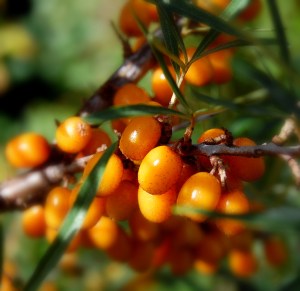
Sea Buckthorn makes another appearance!
During a client consultation last weekend, the subject of dry eyes came up. Actually, overall hydration was discussed.
Both my husband and I wear contacts and I work long days. This is a recipe for eye disaster!
Last year we began taking Sea Buckthorn oil daily (a tablespoon in the morning) and noticed a good result. Personally, my eyes felt like they could handle the contacts even when I got home from work. Normally, I am sprinting upstairs as soon as I arrive home to rip my contacts out. After the Sea Buckthorn, I noticed my eyes were less scratchy, even in spring with all of the pollen floating about. Overall, my eye health seemed better.
A Cat in Repose

After quite a few months of grey days, my cat has found a sunny window in a warm room, curled up in a baby pomelo plant. Plants are healing and comforting to more than just humans.
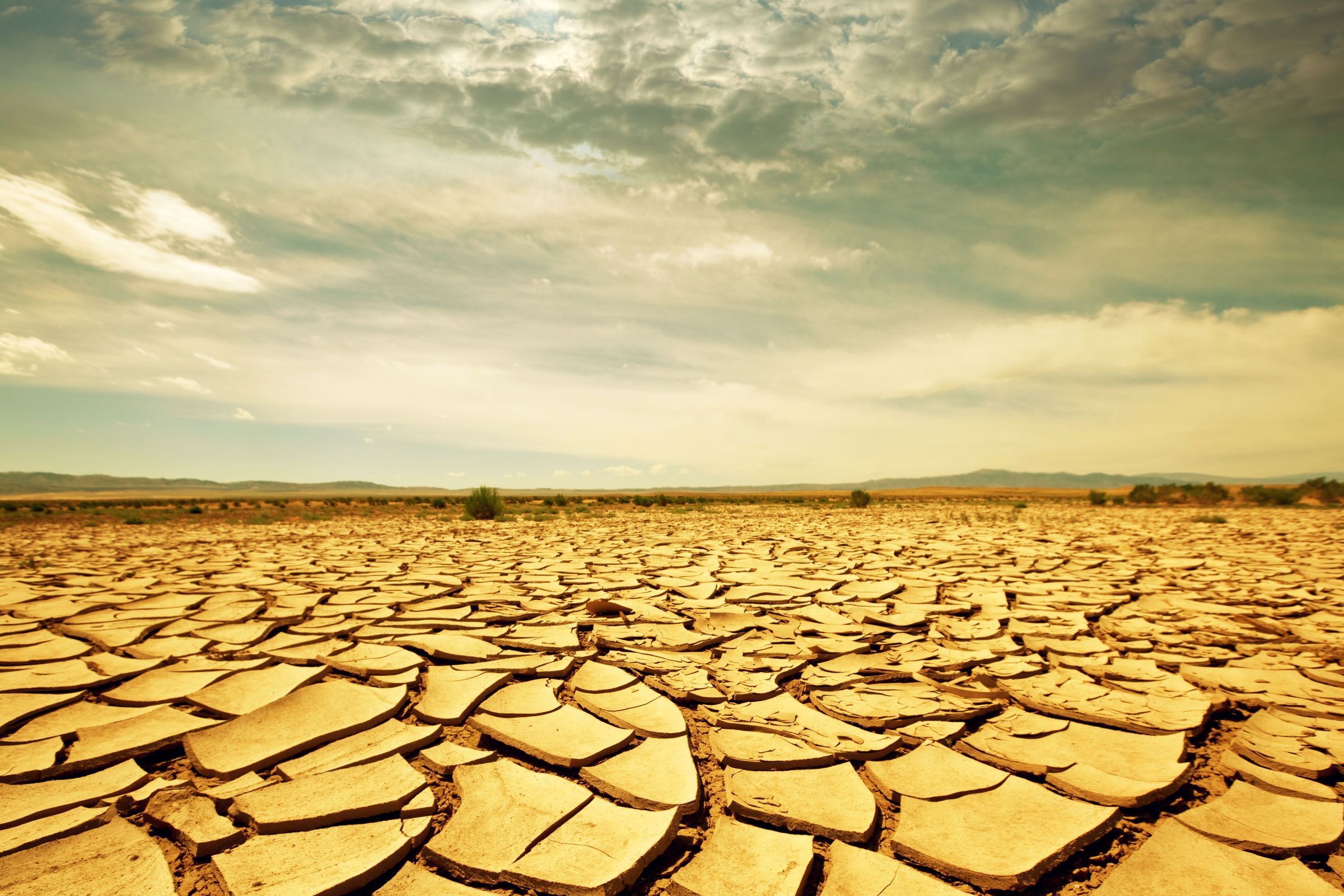
How to Hydrate
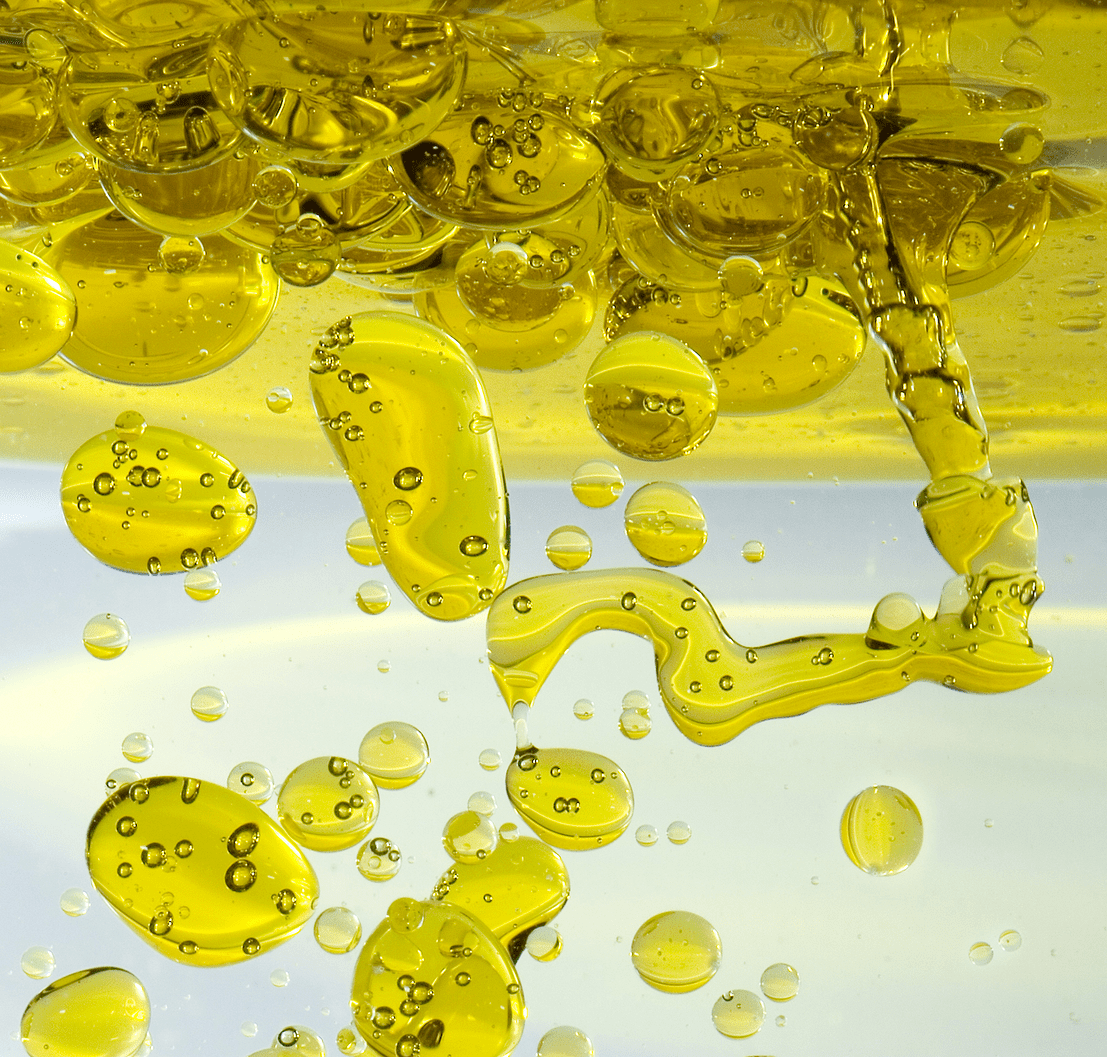
Water hydrates dehydrated skin and tissues, oil moistens or lubricates dry skin and tissues. Depending on what your body, skin and tissues need at that time, oil or water could be indicated.
Without a protective oil barrier on your skin, dehydration could take place quickly and the lost water, though easily replaced, will again flee quickly from your dry tissues.
Dry exterior tissues are helped by the ingestion of water and oils, surely, yet for acute situations a topical hydration or moisturising protocol is used in order to speed up the process. Ingested water and oil must go through the myriad other internal processes before reaching the skin.
The key is balance, or homeostasis.
We all know that we should drink water, quite a lot, during the day. It hydrates our tissues, cleans out toxins, enables our body to function well and increases our brain function.
According to Psychology Today:
“Our brains depend on proper hydration to function optimally. Brain cells require a delicate balance between water and various elements to operate, and when you lose too much water, that balance is disrupted. Your brain cells lose efficiency.
Years of research have found that when we’re parched, we have more difficulty keeping our attention focused. Dehydration can impair short-term memory function and the recall of long-term memory. The ability to perform mental arithmetic, like calculating whether or not you’ll be late for work if you hit snooze for another 15 minutes, is compromised when your fluids are low.”
(Different body sizes require different volumes of water. One good rule is to divide your weight by 20. This will be the number of glasses of water that you should drink every day.)
Tissue states in the body are dependent on more than just water, or staying hydrated. Creaky, achy joints, cracking, tight skin, muscle soreness, fuzzy eyesight, mental fatigue, as well as other more serious mental issues, could stem from a lack of moisturised tissues, or being in a dry tissue state.
According to True Skin care Center:
“Have you ever felt like your skin needs a drink of water? This may be true! With the vast variety of skincare products on the market today, as a consumer, it can be difficult to figure out what each one contains and why it works. Specifically, one of the most confusing topics is the difference between hydration and moisture. Dehydrated skin lacks water and therefore needs to be hydrated. Dry skin lacks oil and needs to be moisturized. It is important to distinguish between these two skin conditions because they can often be treated incorrectly.
Think of it like this:
While hydration is what makes our skin soft, it won’t stay that way if there is no oil protecting that hydration from evaporating and abandoning the skin, which would leave it dry and flaky. Conversely, to put oil on top of already dehydrated skin may smooth it, but it will still lack the hydration that makes it feel soft and elastic.
Dehydrated skin that is moisturized without receiving the amount of hydration will still look dull and feel uncomfortably tight. Dry skin that is hydrated but not moisturized will still flake and have a rough texture.”
Think about adding oil to your diet, whether on a salad or a tablespoon daily of hemp seed oil, olive oil, flaxseed oil or sea buckthorn, as well as the water regimen you already have.
Think about water for your skin, a re-hydrating bath with hydrating herbs, a cup of tea with herbs that help you hold fluids or an oil massage to combat dry skin from the outside.
Thank you Kiva Rose for this list:
Adaptogens & Sweet Tonics (Builds Fluids): Withania somniferum, Panax spp, Aralia spp., Glycyrrhiza glabra and allied spp. Codonopsis pilosula, Avena spp., Polygonatum spp.
Demulcents (Contributes Fluids): Althaea, Malva spp and other Malvaceae, Ulmus rubra, Ulmus pumila (and other mucilaginous U. species), Linum spp.
Oily Tonics (Contributes Oils): aromatic Salvia spp., Ligusticum spp., Angelica spp., Aralia spp., Arctium lappa, Linum spp.
Astringents (Holds Fluids): aromatic Salvia spp., Rhus spp.
Oils to think about:
Argan oil: ingested and topically
Flaxseed oil: ingested and topically
Coconut oil: ingested and topically
Sesame oil: ingested and topically
Jojoba oil: topically
Hemp seed oil: ingested and topically
Poppy seed oil: ingested and topically
Sea Buckthorn oil: ingested and topically
Olive oil: ingested and topically
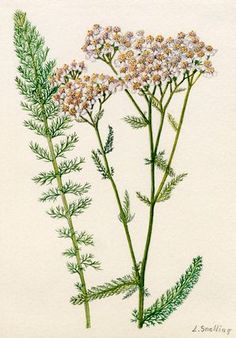
Yarrow
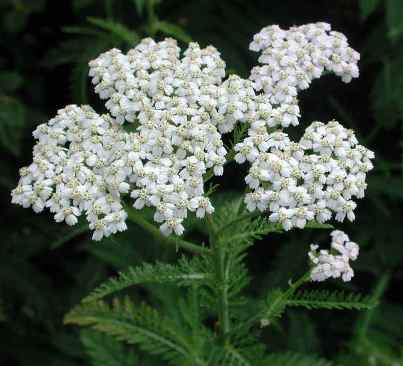
Achillea millefolium
Medicinal Notes
“Thou pretty herb of Venus Tree
Thy true name is Yarrow
Now who my bosom friend must be
Pray tell thou me tomorrow”.
-Halliwell
According to The Alchemist’s Kitchen:
“One of the most fascinating things about Yarrow is that it has been made use of for a very long time by humans. In fact, Yarrow was found amongst other medicinal herbs in a Neanderthal burial site in Iraq, which dates from around 60,000 BC .
Given this long historical use, which also includes traditional use in Ayurveda, Chinese Medicine and Native American Medicine, there is much folklore associated with this wonderful herb. Renowned Ayurvedic and Medical Herbalist Anne McIntyre shares the folklore of Achillea:
“Yarrow is one of the finest and most versatile healing plants, and respected as such since at least the time of the Ancient Greeks and Egyptians. Dioscorides, the Greek physician, writing in the 1st century AD referred to the healing properties of yarrow for battle wounds.”
The name yarrow is apparently derived from hieros, which means sacred, because of the plant’s association with ceremonial magic. Yarrow was thought to be richly endowed with spiritual properties, so it was preserved in temples and treated with special reverence. Its healing effect upon the blood was seen as an ability to influence the ‘life—blood’, the essence or ego that is carried in the blood. It was used as an amulet, a charm to protect against negative energy and evil, capable of overcoming the forces of darkness and being a conductor of benevolent powers. It was also believed to be a love charm and to be ruled by the planet Venus. In folklore, a maiden who places yarrow under her pillow and repeats the rhyme below will dream of her future husband.”
Yarrow’s botanical name Achillea refers to the ancient Greek hero Achilles who during the Trojan War, legend says, used yarrow to treat his and his soldier’s wounds. Throughout, history until the First World War, yarrow has been used for treating wounds, hence its common names soldiers’ woundwort and staunchweed.’
In China, yarrow stalks were used to reawaken the spiritual forces of the superconscious mind during ritual divination using the I Ching. “
Harvesting
Yarrow is a member of the family Asteraceae. It is an erect herbaceous perennial plant that produces one to several stems with a rhizomatous growth form. The leaves are evenly distributed along a stem with leaves also near the middle and bottom of stems. They vary in hairiness, are almost feathery, and are arranged spirally on stems. Leaves are cauline and are more or less clasping. Yarrow has a strong sweet scent similar to chrysanthemums with a relatively short life. Stems are angular and rough. The plant flowers from June to September. It can grow up to three feet in height.
Constituents
Yarrow contains Alpha Pinene, Acetate, Borneol, Beta Pinene, Borneol, Cineole, Camphene, Camphor, Gamma Terpinene, Isoartemisia Ketone, Chamazulene, Limonene, Sabinene and Tricyclene.
Uses
According to The Practical Herbalist:
“Yarrow isn’t just for scrapes and bruises, it does wonders to reduce fever and clear the sinuses. This plant is the first in line for treating nasty colds and flu. It reduces sweating and treats diarrhea that can accompany illness. The same anti-inflammatory properties in this plant’s volatile oils that reduce swelling in angry wounds also fights bacterial infections. Yarrow has both tannins and salicyclic acid, which accounts for its noticeable astringency. This is one of the compounds that reduces both internal and external bleeding.
Yarrow compresses to the eyes of patients (without yarrow allergies) sharpen blurred vision due to swollen tissue. Do not get yarrow in the eye itself as it will cause further irritation. Just a warm yarrow tea bag or bit of yarrow wrapped in cheesecloth will do.
Since yarrow is so widespread, it makes the perfect medicine for hikers and hunters. Chewing a few of the bitter leaves will help alleviate a toothache until you can get to a dentist. Rubbing the leaves onto your temples will do wonders to subside a headache. Insect bites and nettle burns also relax under yarrow’s charms.
The use of yarrow for treating bruises and pain due to inflammation is legendary. Yarrow has many common names that reveal its history on the battlefield: soldier’s woundwort, bloodwort, and nosebleed plant are just a few. People have used yarrow’s anti-inflammatory actions for hemorrhoids and varicose veins for quick relief. The strengthening effect on the blood vessels make yarrow a wonderful plant to administer as a daily tonic for patient who easily bruise.
Yarrow makes an excellent first-aid poultice for deep cuts and wounds, too. It’s been known to help deep cuts heal with little to no scarring and can help the flesh even and connect after puncture wounds. It may be used in a mouth rinse to prevent dry socket after a tooth extraction. Just add a few drops to a few tablespoons of warm water, gargle and rinse.
Yarrow flower essence, especially pink yarrow flower essence, is quite good at helping empathic people (and others) to release emotional energies they’ve picked up from their environment, family and friends, and from work situations. I’ve found it a useful tool for recovering after attending large functions ranging from parties to conventions, too. Yarrow flower essence is a powerful ally for people in care-providing situations and professions, highly empathic people, and for young children. The list of treatments with yarrow seems to be limited only by the herbalist’s imagination.”
Yarrow is an herb we harvest regularly as a family. Both pink and white Yarrow grow in patches around lakes and forest entrances by our house. I often pick so much that our dehydrator can’t handle the volume. Luckily, yarrow dries great just by hanging it upside down. I use our grain mill to grind yarrow to a fine powder to be applied to fresh bleeding wounds in order to staunch the flow of blood, clean the wound and start the healing process. I use our juicer to grind the herb for tea, especially our Fever Doctor Tea. Yarrow plays a big part in my Veins Away Salve. I even use it to prevent or remedy under-eye bags. Yarrow tincture is used for compresses and liniments to expedite healing and disinfect wounds. Yarrow is in my travel first aid kit as it is useful for a host of ailments, form wounds to stomach flu, to fevers and sinusitis.
Yarrow, its scent and its medicinal power, is always a joyful sight when walking through meadow or forest. It is a reminder that there is treasure everywhere and it helps me feel connected to those who have walked the path of plants ages before me.
Tincture: 1:5; 40% ethanol): 2-4 ml three times a day
Tea: 3g in one day as tea or infusion .
External applications: salve, compress, powder or wash as needed.
Allergies to yarrow are possible, especially for those allergic to flowers from the Asteraceae family. It should not be taken in large doses during pregnancy, but it is sometimes appropriate in small doses at that time.
Red Clover

Trifolium pratense

Medicinal Notes
Trifolium is a genus of about 300 species in the legume family Fabaceae. The plants are small annual, biennial or short-lived perennial herbaceous plants. The leaves are trifoliate, and the stems are hairy and upright with heads of dense spikes composed of small red, purple, white or yellow flowers. The most widely cultivated clover is White Clover (Trifolium repens) and Red Clover (Trifolium pratense). There are plants with four, five, six and very rarely more leaves. Likes dry meadow lands, open forests, field borders, and paths.
Harvesting
Red clover blossoms are ready to be plucked one to two weeks after first bloom, and can be harvested up to three times in the flowering season. Simply pop the blossom off, leaving the rest of the plant undisturbed. If in use by an insect, wait politely or move along to another plant! Be mindful of the location of harvest to avoid pesticides and pollution from cars.
Pluck the blossoms in the morning when there is still dew so as to retain the lovely purple colour. If you pluck them when dry (as normally recommended for other flowering herbs) the flower heads will turn brown.
I put my red clover in the dehydrator to speed the drying process as red clover are susceptible to mold.
Constituents
Red clover contains coumarins, isoflavones (genistein, pratensein), vitamin E, flavonoids, phenolic glycosides, salicylates, cyanogenic glycosides.
Uses
According to White Rabbit Institute of Healing:
“Helps prevent osteoporosis, menopausal hot flashes, PMS, promotes breast health, lowers cholesterol, reduces blood clotting, and arterial plaques. It also increases urination and blood circulation. Aids enlargement of the prostate and has been used to help quit smoking. Applied to skin to treat skin cancer, burns, sores, eczema and psoriasis. Used internally to remedy fibroids, headaches, hormonal imbalances and prevent strokes.
The name “trifolium” derives from the Latin words tres (“three”) and folium (“leaf”). Red clover is considered one of the richest sources of isoflavones, which are water-soluble chemicals that act like oestrogens. It is therefore high on the list for treating menopausal hot flashes, PMS, breast health, lowering cholesterol, and increasing urination and blood circulation. While early studies are encouraging, it is still inconclusive if, and to what degree, Red Clovers healing properties do in fact impact menopausal hot flashes, blood clotting, cardio conditions and cancer.”
According to Herbal Academy:
“Like other alteratives, red clover is used to assist the body in removing metabolic waste products. These blood-purifying properties are used for skin conditions such as eczema, psoriasis, and other skin irritations that crack and ooze. A red clover tea is generally mixed with yellow dock and nettles to handle these conditions. More directly as a poultice, chopped red clover with a little water can be applied to skin lesions.
As an expectorant and antispasmodic, red clover is used to counteract fevers, inflamed lungs, and bronchitis. Red clover contains a mild sedative property, which complements its antispasmodic effects for cough. The flower is also used for inflammatory conditions associated with arthritis and gout.
Compounds in red clover include phytoestrogenic isoflavones such as genistein, diadzen, formononetin and biochanin A. Studies of individual components of red clover show some cancer fighting action in vitro. For example, in one 2012 study, formononetin induced cancer cell apoptosis (cell death) in estrogen receptor- positive breast cancer cells (Chen et al, 2012).
For gynecological support, red clover is often suggested to ease symptoms during menopause. In 2005, a randomized, double-blind, placebo controlled study looked at the effects of red clover isoflavones on 60 postmenopausal women, concluding that supplementation “significantly decreased menopausal symptoms and had a positive effect on vaginal cytology and triglyceride levels” (Hidalgo, et al 2005). In 2009, red clover isoflavones were “effective in reducing depressive and anxiety symptoms among postmenopausal women” (Lipovac, 2009). However, other studies have demonstrated mixed results and the largest study to date showed no improvements with hot flashes. (Note that these studies investigated commercial red clover isoflavones and not the whole flower and therefore do not accurately reflect how the whole herb will act.)”
Tea: Infuse 2 teaspoons of flower heads in 1 cup of boiling water for 10 minutes. Strain. Drink 3 cups a day.
Salve: Use externally as needed.
Tincture: 1-2 ml of tincture 3 times per day, at 1:10 strength
Compress: Soak a clean cloth in the infusion (see above) and apply to affected areas, 3 times per day.
Safety
Avoid in pregnancy or if you have a known hormone-sensitive condition.
Do not use with pharmaceutical blood thinners or with the herb melilot (Melilotus officinalis). The coumarin derivatives in red clover may increase the chance of bleeding. Because red clover side effects may include slow blood clotting, stop taking it at least two weeks prior to surgery, and avoid if you have Protein S deficiency or any other type of coagulation disorder.
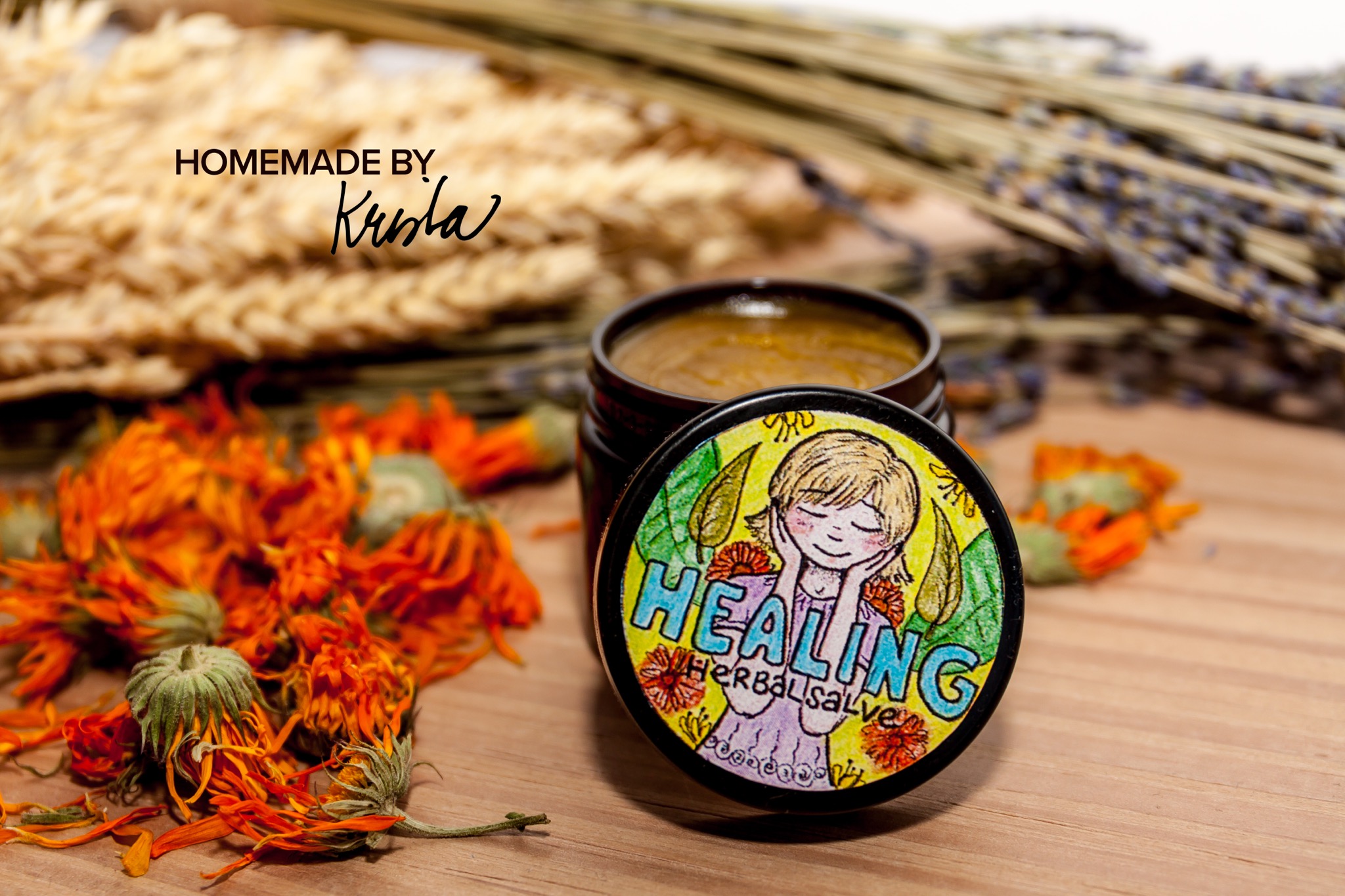
Healing Herbal Salve: the miracle
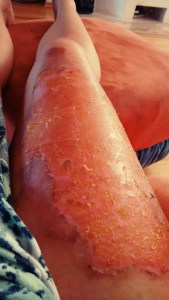
It was the third day of my summer holidays. Teachers look forward to the holidays maybe even more than the students. It was a beautiful sunny day, and I was excited to spend it in my garden. I had no plans other than to soak up the rays with my plant friends and maybe pet a bee or two. I began the day by setting up two jugs of herbs in order to make infused water for my family to drink. As I poured boiling water into the jugs, one of them cracked and burst open exploding boiling water onto my thigh. I watched in horror as the skin of my thigh slipped off and fell in a sheet. Screaming, I called for my daughters to help me. Minutes later, in shock and shaking, I was in an ambulance on the way to the hospital.
Weeks later, after daily dressing changes at the hospital, I was able to walk relatively normally with only a little pain, I was on my way to have the bandages removed and see what my leg looked like. The doctor gave me a topical cream to apply to the exposed and vulnerable new skin. It smelled like gasoline and was a really gross colour. I did not want to put that on my skin. Pig fat was also prescribed…no thanks.
With a modicum of hesitation, I decided to perform a human trial on myself. I remember the exact moment I decided to put my Healing Herbal Salve on my leg instead of the cream my doctor prescribed. (I know we are supposed to listen to the doctor, but I felt some instinctive sense of dread about the cream he gave me.) So I put on my salve, knowing exactly what was in it, who made it (me.) and what each component was capable of doing. My thoughts were, “Well, here goes nothing,” and I hoped for the best.
It was immediately soothing and felt amazing on my painful, sensitive new skin.
Fast forward a few more weeks, and my leg looked great. The doctor declared it “beautiful” and I felt like my human trial was a success. No scarring (a miracle) and very little skin discolouration.
If I could have only one salve in my First Aid Kit it would be the Healing Herbal Salve. It is my most popular product and my friends and clients have used it as a: diaper rash cream, lip balm, face cream, wound healer, rash cream, spot lightener, cracked heels remedy, bee sting remover, sore muscle linament, pulse points stress reliever and more…
I keep this salve in my purse, in my desk at work, in my classroom first aid kit, in every room of our house and in my Travel First Aid Kit.


Healing Herbal Salve
- 1/4 cup (60 ml) St John’s Wort-infused olive oil Infused Oil Recipe
- 1/4 cup (60 ml) Calendula-infused olive oil
- 1/4 cup (60 ml) Comfrey-infused olive oil
- 1/4 cup (60 ml) Plantain-infused olive oil
- 1/4 cup (60 g) beeswax
- 20 drops: Lavender essential oil
In a double boiler (or a pot nestled in a larger pot filled with a bit of water) over medium heat, add the oils and beeswax.
Stir until the beeswax melts and is fully incorporated.
Remove from the heat and allow to cool for a moment.
Add the essential oils. Stir.
Pour into clean and sterilised jars.
Medicinal Actions:
St John’s Wort: anti-inflammatory, antidepressant, promotes tissue repair, Analgesic, antibiotic
Calendula: vulnerary, anti-inflammatory, antibacterial, immune stimulant, antifungal, antiviral, lymphatic, antispasmodic
Comfrey: tonic, demulcent, expectorant, vulnerary, astringent, anti-inflammatory
Plantain: vulnerary, expectorant, diuretic, demulcent, astringent, anti-inflammatory, antiseptic, alterative, hepatoprotective, hemostatic
Lavender: antibacterial, soothing, anti-inflammatory
Safety: Due to the amazing skin healing action of the comfrey contained in this salve, do not use on infected wounds as it may heal the skin with the infection inside.
St John’s Wort
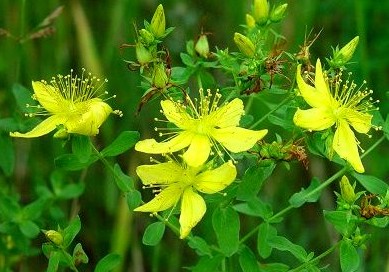
Hypericum perforatum
Common Name: St John’s Wort, Tipton’s Weed, Chase-Devil, Klamath Weed, Touch and Heal, Goatweed
Family: Hypericaceae
TCM Name: Guan Ye Lian Qiao
Ayurvedic Name: N/A
Parts Used: Leaf, Flower
Native To: Europe

Medicinal Notes
According to White Rabbit Institute of Healing:
“St John’s Wort’s common name comes from the flower being harvested on St John’s Day, June 24th. The genus name Hypericum comes from the Greek words hyper (above) and eikon (picture) in reference to the traditional usage of the plant to ward off evil by hanging the plants over religious icons on St John’s day. The species name perforatum refers to the presence of small oil glands on the leaves that look like windows when held against the light (i.e. light perforating the leaves).
It has been used to heal sword wounds as far back as the Middle Ages. The Crusaders used the plants red oil to sooth and heal wounds. It was said that stepping on St John’s Wort at dusk meant a night spent on the back of a fairy horse. Christians identify the herb with St John saying the plant’s red pigment is St. John’s blood from his beheading. General treatments dose at 300mg to 1000mg daily. Macerating the flowers in oil yields a red sedative, analgesic rub that alleviates neuralgia. Used in homeopathy to heal post-surgery, cuts and wounds.
The flowers bloom midsummer and when crushed turn blood red, the color associated with wounds, menses, fertility and childbirth. It was felt that the plant was most potent during this period. Culpeper wrote, “The decoction of the herb and flowers… is [also] good for those that are bitten or stung by any venomous creature.” “
Harvesting
We harvest St John’s Wort in mid-summer, usually around July 17th. We are on the hunt early July to make sure that we locate patches of St John’s Wort that have lots of unopened buds. When crushed, the buds secrete a reddish-purple liquid that stains the fingers. I harvest almost exclusively buds as this is what has most of the potency. Saving the leaves and stems for tea, I process the buds fresh. I chop them as finely as possible and put them up immediately for tincture and infused oil. The tincture and oil should have a vibrant red colour. From my experience, dried material does not have the same potency as fresh and this is especially true for St John’s Wort.
Constituents
St John’s Wort contains Hyperforin, Tannins, Flavonoids, Resins, Glycosides, Carotenes, Pectin, Hyproside.
Uses
According to Annie’s Remedy:
“St. Johns Wort has a demonstrated ability to act as an antidepressant in cases of mild depression and anxiety. St. John’s Wort is a tonic for the entire nervous system. This action is most strongly linked to two phytochemicals, hyperforin and hypericin. St. Johns was a useful member of the pharmacopoeia centuries before its use as an antidepressant was discovered. Drinking a cup of St Johns tea before bedtime can help children and adults troubled by incontinence, and M. Grieve recommended it be used in all pulmonary complaints, bladder troubles, in suppression of the urine, dysentery, worms, and diarrhea.
St. John’s is also effective in the treatment of herpes lesions. Compresses soaked in a strong tea, the infused oil or a tincture can be applied to active lesions. The anti-viral activity of St. John can also be used to treat flu viruses (but not cold viruses).
The fresh flowers of St. Johns when infused in oil produce a beautiful and powerful red oil that is anti-inflammatory and analgesic. This therapeutic oil has so many uses that you can sum it up by saying if it hurts, soothe it with St. Johns Oil. Some of the skin care uses for this oil include healing burns and damaged skin. Use St. Johns wort oil to calm the pain of sciatica, arthritis, fibromyalgia, muscle aches, PMS and breast tenderness.”
Tea: 2 cups of infusion taken throughout the day (infuse 1 heaping T of leaves per cup of water, and steep at 10-15 minutes
Salve/Compress: Use externally as needed
Tincture: 1-2 ml of tincture 3 times per day, at 1:4 strength
Extra caution should be exercised if one is taking any prescription drugs. If used in combination with other drugs or if other drugs are part of a treatment plan, St John’s Wort might react with these drugs and either enhance or inhibit the breakdown of these drugs. SSRI antidepressants should not be taken with St John’s Wort.
Studies have reported that the St John’s Wort plant can reduce the effectiveness of some prescription drugs like Digoxin, Warfarin and Indinavir, as well as birth control pills.
As safety information and the possible St John’s Wort side effects on pregnant or nursing women as well as young children are presently not really available, it is strongly recommended that these groups of people do not consume the herb.
Also, patients in advanced stages of depression may not want to rely only on St John’s Wort, since it has been proven effective mostly in treating mild to moderate forms of depression.
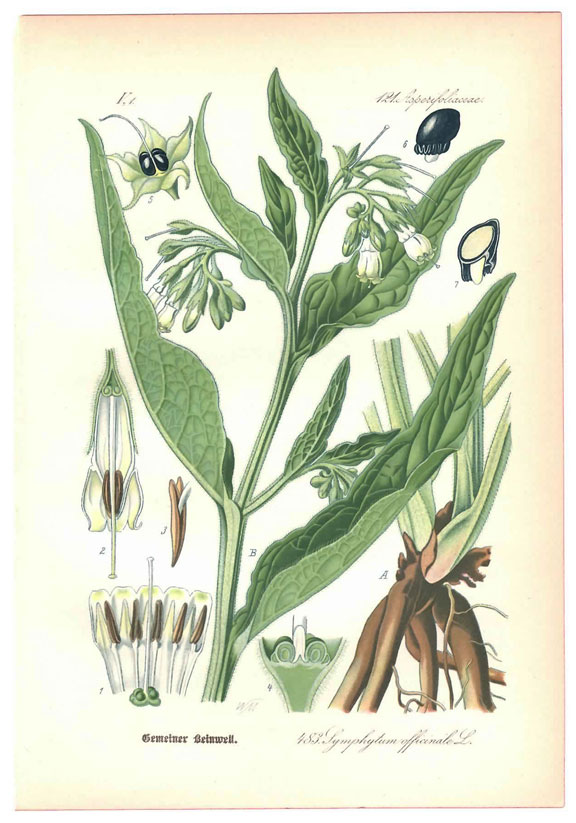
Comfrey

Symphytum officinale
Medicinal Notes
According to The Pharmaceutical Journal:
“Dioscorides’s ‘Materia medica’ is the oldest materia medica in Europe. Created at the same time as, but independent from, the ‘Naturalis historia’, it has been shaping European and Arabic phytotherapy for nearly 2,000 years
Dioscorides also mentions comfrey: “The roots below are black on the outside and white and slimy on the inside. …Finely ground and then drunk they are beneficial for those spitting blood and those suffering from internal abscesses. Used as a compress they also seal fresh wounds. They have a joining together effect when cooked with pieces of flesh. They act as cataplasm in the case of inflammation, especially in the anal area.”
Comfrey (Symphytum officinale) derives its name from the Greek term symphyton, (symphytum in Latin), from the root symphyo; “I grow together”.
Harvesting
Foliage is at its best if cut before blooming time. The plant reaches a height of over two feet and spreads to more than a metre across. Comfrey leaves have a high moisture content and dry more slowly than some of the herbs you may be used to working with. Make sure the leaves are crumbly before you store them, though, since any remaining dampness will cause mold.
Harvest roots in the fall. To preserve comfrey for later use, roots can be sliced and dried or macerated as an oil-infusion.
Constituents
Comfrey contains tannin, rosmarinic acid, allantoin, steroidal saponins, mucilage, inulin, pyrrolizidine alkaloids, gum, carotene, glycosides, sugars, beta-sitosterol, triterpenoids, vitamin b-12, protein, zinc.
Uses
According to Annie’s Remedy:
“Comfrey is a marvelous herb and is one of the best-known healing herbs of all times. Comfrey relieves pain and inflammation caused by injuries and degeneration, especially the symptoms of rheumatoid arthritis and osteoarthritis. Comfrey salves and oils can be used in arthritic pain relieving massages. In a recent study patients with painful osteoarthritis of the knee treated with comfrey root extract in an ointment showed a reduction in pain , mobility of the knee improved and quality of life increased. (NIH)
Comfrey salves, ointments and teas are best known for the topical treatment of burns, skin ulcerations, abrasions, lacerations, flea and insect bites, and just about any skin irritation. Comfrey’s astringent tannins form a protective surface over wounds that promotes healing. You may want to try comfrey or allantoin skin creams for diabetic sores. For weeping eczema, make a tea of comfrey and apply the liquid as a compress. Comfrey relieves pain and speeds healing of pus-filled wounds, and accelerates tissue healing in cases of insect bites.
Fresh leaves can be applied to bruises, fractures, sprains, and other injuries. Many healing effects of comfrey are attributable to allantoin, a compound shown to speed cell production both inside and outside the body. Comfrey works so fast that many herbalists will add antibacterial herbs such as goldenseal or thyme to comfrey salves to prevent sealing bacteria inside a fast healing wound.”
I grow two types of comfrey, yellow which is petite and powerful (found in shady forest patches) and the much larger and ubiquitous purple (found in large groupings alongside our meadow paths).
| The creamy yellow-flowered form is stated by Hooker to be Symphytum officinale proper, and the purple flowered he considered a variety and named it S. officinale, var patens. The botanist Sibthorpe makes a definite species of it under the name patens. |
Because my family is constantly tripping, banging toes and twisting ankles – clumsy, I guess- comfrey poultices are used by us and given also as remedies to my clients very often. I am happy to offer fresh leaves and roots from my garden. My Knit-Together Salve is used topically on any internal wound and as an amazing massage salve to support muscle healing.
Salve/ poultice: Use externally as needed.
There is much controversy about taking Comfrey internally, especially root preparations. Comfrey root contains pyrilizidine alkaloids, which can cause liver damage. I would recommend using Comfrey only as an external healer. ONLY use Comfrey on a wound once you’re sure any infection has been taken care of as it heals skin so rapidly as to overtake any infection before it’s been cleanly dealt with.
The Plantain Primer
Thank you to Ian Opal Kesling at Herbrally for this compendium of Plantain uses:
For drawing blisters/pimples to a head, or drawing foreign objects from the skin: plantain leaf and piñon resin warm-infused in oil.
For minor cuts/scrapes/burns: plantain leaf, comfrey leaf, and calendula flower infused in oil.
To stop bleeding: Plantain leaf and yarrow
For hemorrhoids: Plantain leaf, marshmallow root, and witch hazel leaf
For poisonous plant rashes: Plantain leaf and jewelweed
For itchy bug bites: Plantain leaf, calendula, and aloe gel
For infections: plantain leaf, yellow dock, and chaparral
For diarrhea: plantain leaf infusion with plantain seed
For constipation: yellowdock, triphala, and plantain seed
For cystitis/UTI’s: plantain leaf, uva ursi, marshmallow root, juniper berry
For chronic urinary discomfort: plantain leaf, marshmallow root, cleavers, chickweed
For cough/bronchitis: hot infusion of plantain leaf, osha, elecampane, licorice, and thyme
For ulcers and digestive inflammation: Plantain leaf, slippery elm, marshmallow root, and licorice.

 Krista's Herbarium